Contenidos
Hollywood Swinging — Kool & The Gang (1974)
A whole song from 1974 held up by a single chord. The hard part is not changing the harmony, because there is none: it is landing the hit exactly where it goes.
🏷️ Ficha musical
Why this song
If you have played Grand Theft Auto: San Andreas, you have heard this song: it is on the game's soundtrack. The recording was already thirty years old when that game came out.
It has one chord. One, from start to finish, four and a half minutes. It never changes.
Think about what that means for playing it. This book also has songs from 1961 — Stand by Me, Hit the Road Jack — with four chords that move every two bars. Thirteen years later this one arrives, and it is easier to play than those.
So history does not sort things by difficulty. A newer song is not automatically harder. What changes over time is where the musicians put the work, and in 1974 they put it in the rhythm.
Historical context
Before they were a funk band they were a jazz band. In 1964, in Jersey City, seven school friends started an instrumental group called the Jazziacs. All but one of them went to the same school, Lincoln High.
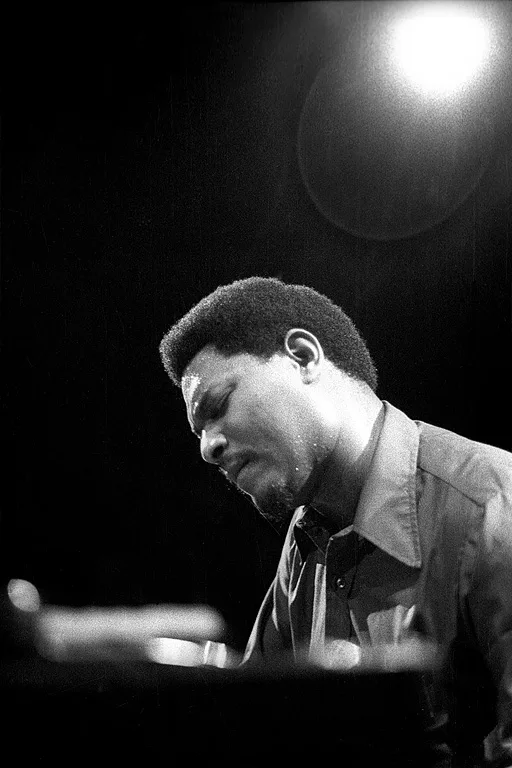
Foto: Gisle Hannemyr, CC BY-SA 3.0, vía Wikimedia Commons
Their first gigs were opening a jazz night held every Sunday in a local theatre. In those years they played with McCoy Tyner, Pharoah Sanders and Leon Thomas, three big names in the jazz of the day. Their first album, in 1969, has no singing on it at all: it is entirely instrumental.
They changed their name several times. At one point they were Kool & the Flames, until their manager warned them they would be confused with the Famous Flames, James Brown's band. They settled on Kool & the Gang.
The turn came in 1973. Robert "Kool" Bell described it as becoming "a much harder, funkier, tighter" band. Out of that change came Wild and Peaceful, recorded at Mediasound Studios in New York and produced by the band themselves, with no outside producer. Three singles came from it: Funky Stuff, Jungle Boogie and this one.
Musical characteristics
Take the chord changes away from a song and what is left is the rhythm. That is exactly what happens here.
The chord is E7: an E major with one extra note, the seventh. That extra note is what stops it sounding like an ending and makes it sound like "this continues". That is why it can repeat without wearing out. A chord that sits still like this, looping as the base of a whole section, is called a vamp.
Since the harmony does not move, all the movement comes from where each hit lands. The guitar does not play long chords: it plays short, dry stabs, almost always between the strong beats rather than on them. The bass does the same with a figure that keeps repeating. When a hit lands off the beat, between pulses, that is syncopation.
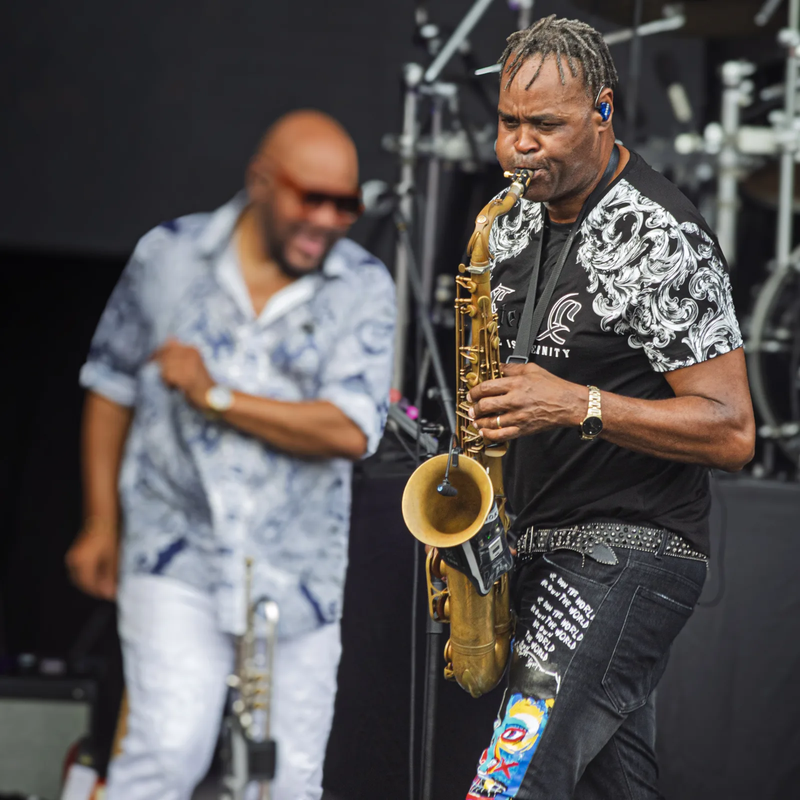
Foto: QuentinCurran, CC BY-SA 4.0, vía Wikimedia Commons
The horns are what the jazz years left behind. Tenor sax, alto sax and trumpet throw out a short riff that answers the voice: the voice says a line, the horns reply. That is call and response, and it fills the gap a chord that never changes would otherwise leave.
Ricky West sings it, and he is the band's keyboard player. There was no hired singer: whoever played, sang. And on top of everything there are whistles, referee whistles, which is what gives it the street-party feel.
Hard facts: E7, one single chord, 4/4, 112 BPM, 4:35. The form is intro, verse, bridge, verse, bridge, pre-chorus, chorus, verse and chorus. Notice that you always know which part you are in without the harmony telling you: the instruments coming in and dropping out tell you instead. That same problem — knowing where you are — is worked on in ¿Cómo sabes por dónde vas en una música que oyes por primera vez?, from the theory and history book.
When bass, drums and guitar lock together tightly enough to push the song forward, that is called groove. It is the only thing holding this song up, which is why a whole class can play the right chord and still sound wrong: you get the chord right first time, the placement you do not.
Trivia and curiosities
- In 2015 Nile Rodgers said that Chic's Good Times (1979) came partly from this song. Rodgers is a cousin of Robert "Spike" Mickens, the band's trumpet player. And the bassline of Good Times is the one Rapper's Delight used that same year to become rap's first big hit. One idea from 1974 ends up inside two more songs, one after the other.
- The band had to change their name because it was too close to James Brown's. Even what you are called depends on who people will compare you with.
- Their first album, from 1969, is entirely instrumental. They learned to sing as they went. The horns, on the other hand, they already had: that is what they had been doing since 1964.
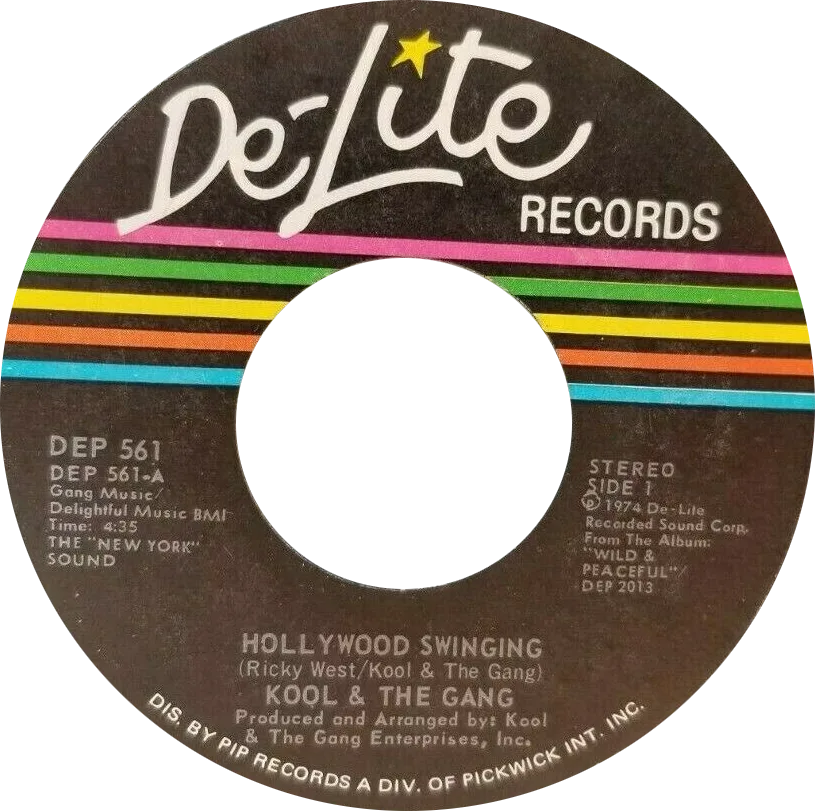
- The record label prints the exact running time, 4:35, next to the imprint and the writing credits. That seven-centimetre piece of card is today the most reliable source there is on this song, ahead of any web page.
Classroom activities
- Play: one chord, the whole class. E7 on ukulele is 1-2-0-2; on electric guitar, the open shape 0-2-0-1-0-0; the bass plays the note E. With the drums keeping time, play four bars together and stop. The chord will not be the problem.
- Analyse: a closed question. Listen to the whole song with a sheet of paper and write down every time the chord changes. Count them at the end. Then do the same with one of the 1961 songs in this book and compare the two numbers.
- Sing: the "Hollywood swinging" line works with the class split in two. One group sings the line, the other sings the horn riff. Nobody comes in on top of anybody: they take turns.
- Create: take any chord at all and build sixteen bars changing one thing only, where the hit lands. Steal the procedure, not the song.
Key vocabulary
- Vamp — vamp: un acorde que se repite como base de toda una sección
- Seventh — séptima (la nota que hace que el acorde no suene a final)
- Syncopation — síncopa (el golpe que cae entre los pulsos)
- Call and response — llamada y respuesta
- Groove — groove: el encaje entre bajo, batería y guitarra
Resources
Where it is explained — finding your way through music with no chord changes is worked on in ¿Cómo sabes por dónde vas en una música que oyes por primera vez?, and why a song like this only exists as a recording, in ¿Cómo se guarda algo que solo existe mientras suena?.
Official audio — there is no music video: in 1974 nobody made one for a song like this.
Live on television, 1974 — The Midnight Special, broadcast 12 July 1974. You can see the whole band playing: two saxes, trumpet and the rhythm section.
Electric guitar tutorial — Alan Baral. A minute and a half of the song's chord stabs, in E7 and in shapes further up the neck.
Bass tutorial — Bart FUNK Bass, with the tab scrolling on screen and the sections listed in the description.
Drums — poserp. One minute with the verse groove on its own, including the three horn pick-up notes that lead into it.
- Tab — https://www.songsterr.com/a/wsa/kool-the-gang-hollywood-swinging-tab-s2001135 (guitar, bass and drums)
Por dónde entrar
En Los Minions: el origen de Gru (2022) suena esta canción, versionada por Brockhampton. La original es de 1974.
Y tiene un acorde. Uno solo, de principio a fin, cuatro minutos y medio. No cambia ni una vez.
Piensa en lo que eso significa para tocarla. En este mismo libro hay canciones de 1961 —Stand by Me, Hit the Road Jack— que tienen cuatro acordes y se mueven cada dos compases. Trece años después llega esta, y es más fácil de tocar que aquellas.
Así que la historia no ordena la dificultad. Una canción más moderna no es automáticamente más complicada. Lo que cambia con el tiempo es dónde ponen los músicos el trabajo, y en 1974 lo pusieron en el ritmo.
Contexto histórico
Antes de ser un grupo de funk eran un grupo de jazz. En 1964, en Jersey City, siete amigos del instituto montaron una banda instrumental llamada the Jazziacs. Todos menos uno iban al mismo instituto, el Lincoln High School.
Foto: Gisle Hannemyr, CC BY-SA 3.0, vía Wikimedia Commons
Sus primeros conciertos fueron de teloneros en una noche de jazz que se hacía cada domingo en un teatro del barrio. En aquellos años llegaron a tocar con McCoy Tyner, Pharoah Sanders y Leon Thomas, tres nombres grandes del jazz de entonces. Su primer disco, en 1969, no tiene ni una voz: es todo instrumental.
Cambiaron de nombre varias veces. Llegaron a llamarse Kool & the Flames, hasta que su mánager les avisó de que se iban a confundir con los Famous Flames, la banda de James Brown. Se quedaron en Kool & the Gang.
En 1973 dieron el giro. Robert «Kool» Bell lo describió como volverse «más duros, más funk, más apretados». De ese cambio sale Wild and Peaceful, grabado en los estudios Mediasound de Nueva York y producido por ellos mismos, sin productor de fuera. Tres singles salieron de ahí: Funky Stuff, Jungle Boogie y esta.
Cómo suena
Quítale el acorde a una canción y lo que queda es el ritmo. Eso es exactamente lo que pasa aquí.
El acorde es Mi7: un Mi mayor al que se le añade una nota más, la séptima. Esa nota extra es la que hace que no suene a final, sino a «esto sigue». Por eso puede repetirse sin cansar. A un acorde que se queda quieto así, repitiéndose como base de toda una sección, se le llama vamp.
Como la armonía no se mueve, todo el movimiento lo hace el sitio donde cae cada golpe. La guitarra no toca acordes largos: da pellizcos cortos y secos, casi siempre entre los tiempos fuertes, no encima. El bajo hace lo mismo con una figura que se repite. Cuando un golpe cae a destiempo, entre pulso y pulso, eso es una síncopa.
Foto: QuentinCurran, CC BY-SA 4.0, vía Wikimedia Commons
Los vientos son la herencia del jazz. Saxo tenor, saxo alto y trompeta sueltan un riff corto que contesta a la voz: la voz dice una frase, los vientos responden. A eso se le llama llamada y respuesta, y es lo que rellena el hueco que dejaría un acorde que no cambia.
Canta Ricky West, que es el teclista del grupo. No había un cantante contratado: cantaba quien tocaba. Y por encima de todo aparecen silbatos, que es lo que le da ese aire de fiesta en la calle.
Datos duros: Mi7, un solo acorde, 4/4, 112 BPM, 4:35. La forma es intro, estrofa, puente, estrofa, puente, pre-estribillo, estribillo, estrofa y estribillo. Fíjate en que sabes perfectamente en qué parte estás sin que la armonía te lo diga: te lo dicen los instrumentos que entran y salen. Ese mismo problema —saber por dónde vas— se trabaja en ¿Cómo sabes por dónde vas en una música que oyes por primera vez?, del libro de teoría e historia.
Cuando ese conjunto de bajo, batería y guitarra encaja tan ajustado que la canción empuja hacia delante, se le llama groove. Es lo único que sostiene esta canción, y por eso una clase entera puede tocar el acorde correcto y aun así sonar mal: el acorde se acierta a la primera, la colocación no.
Curiosidades
- En 2015 Nile Rodgers contó que Good Times, de Chic (1979), salió en parte de esta canción. Rodgers es primo de Robert «Spike» Mickens, el trompetista del grupo. Y el bajo de Good Times es el que Rapper's Delight usó ese mismo año para convertirse en el primer éxito grande del rap. Una idea de 1974 acaba dentro de dos canciones más, una detrás de otra.
- El grupo tuvo que cambiarse el nombre porque se parecía demasiado al de la banda de James Brown. Hasta cómo te llamas depende de con quién te van a comparar.
- Su primer disco, de 1969, es instrumental entero. Aprendieron a cantar sobre la marcha. Los vientos, en cambio, ya los tenían: eso es lo que venían haciendo desde 1964.
- La etiqueta del disco trae impreso el tiempo exacto, 4:35, junto al sello y a quién la firma. Ese cartoncito de siete centímetros es hoy la fuente más fiable que hay sobre la canción, por delante de cualquier página web.
Para hacer en clase
- Tocar: un acorde, toda la clase. Mi7 en ukelele es 1-2-0-2; en guitarra eléctrica, la posición abierta 0-2-0-1-0-0; el bajo hace la nota Mi. Con la batería marcando, tocad cuatro compases seguidos y parad. El problema no va a ser el acorde.
- Analizar: pregunta cerrada. Escucha la canción entera con un papel y apunta cada vez que cambie el acorde. Cuenta al final. Luego haz lo mismo con una canción de 1961 de las del libro y compara los dos números.
- Cantar: la parte de «Hollywood swinging» funciona partiendo la clase en dos. Un grupo canta la frase, el otro hace el riff de los vientos con la voz. Nadie entra encima del otro: se turnan.
- Crear: coged un acorde cualquiera, el que sea, y montad dieciséis compases cambiando solo una cosa, dónde cae el golpe. Se trata de robar el procedimiento, no la canción.
Vocabulario fundamental
- Vamp — Un acorde, o un par de ellos, que se queda repitiéndose como base de toda una sección. Aquí dura la canción entera.
- Séptima — La nota que se le añade a un acorde para que no suene a final, sino a continuación. Mi + séptima = Mi7.
- Síncopa — Un golpe que cae entre los pulsos en vez de encima. Es lo que hace que la música tire hacia delante.
- Llamada y respuesta — Una frase la dice uno y la contesta otro, por turnos. Aquí la voz llama y los vientos responden.
- Groove — El encaje entre bajo, batería y guitarra cuando están colocados en el sitio exacto. Se nota cuando falla, no cuando funciona.
Recursos
Dónde se explica — el problema de orientarse en una música sin cambios de acorde se trabaja en ¿Cómo sabes por dónde vas en una música que oyes por primera vez?, y por qué una canción así solo existe grabada, en ¿Cómo se guarda algo que solo existe mientras suena?.
Audio oficial — no hay videoclip: en 1974 todavía no se hacían para una canción así.
En directo, televisión de 1974 — The Midnight Special, emisión del 12 de julio de 1974. Aquí se ve el grupo entero tocando: dos saxos, trompeta y la sección rítmica.
Tutorial de guitarra eléctrica — Alan Baral. Un minuto y medio con los acordes cortados de la canción, en Mi7 y en posiciones subidas por el mástil.
Tutorial de bajo — Bart FUNK Bass, con la tablatura pasando en pantalla y las secciones marcadas en la descripción.
Batería — poserp. Un minuto con la vuelta de la estrofa aislada, incluidas las tres notas de anacrusa de los vientos que entran en ella.
- Tablatura — https://www.songsterr.com/a/wsa/kool-the-gang-hollywood-swinging-tab-s2001135 (guitarra, bajo y batería)
Why this song
If you have played Grand Theft Auto: San Andreas, you have heard this song: it is on the game's soundtrack. The recording was already thirty years old when that game came out.
It has one chord. One, from start to finish, four and a half minutes. It never changes.
Think about what that means for playing it. This book also has songs from 1961 — Stand by Me, Hit the Road Jack — with four chords that move every two bars. Thirteen years later this one arrives, and it is easier to play than those.
So history does not sort things by difficulty. A newer song is not automatically harder. What changes over time is where the musicians put the work, and in 1974 they put it in the rhythm.
Historical context
Before they were a funk band they were a jazz band. In 1964, in Jersey City, seven school friends started an instrumental group called the Jazziacs. All but one of them went to the same school, Lincoln High.
Foto: Gisle Hannemyr, CC BY-SA 3.0, vía Wikimedia Commons
Their first gigs were opening a jazz night held every Sunday in a local theatre. In those years they played with McCoy Tyner, Pharoah Sanders and Leon Thomas, three big names in the jazz of the day. Their first album, in 1969, has no singing on it at all: it is entirely instrumental.
They changed their name several times. At one point they were Kool & the Flames, until their manager warned them they would be confused with the Famous Flames, James Brown's band. They settled on Kool & the Gang.
The turn came in 1973. Robert "Kool" Bell described it as becoming "a much harder, funkier, tighter" band. Out of that change came Wild and Peaceful, recorded at Mediasound Studios in New York and produced by the band themselves, with no outside producer. Three singles came from it: Funky Stuff, Jungle Boogie and this one.
Musical characteristics
Take the chord changes away from a song and what is left is the rhythm. That is exactly what happens here.
The chord is E7: an E major with one extra note, the seventh. That extra note is what stops it sounding like an ending and makes it sound like "this continues". That is why it can repeat without wearing out. A chord that sits still like this, looping as the base of a whole section, is called a vamp.
Since the harmony does not move, all the movement comes from where each hit lands. The guitar does not play long chords: it plays short, dry stabs, almost always between the strong beats rather than on them. The bass does the same with a figure that keeps repeating. When a hit lands off the beat, between pulses, that is syncopation.
Foto: QuentinCurran, CC BY-SA 4.0, vía Wikimedia Commons
The horns are what the jazz years left behind. Tenor sax, alto sax and trumpet throw out a short riff that answers the voice: the voice says a line, the horns reply. That is call and response, and it fills the gap a chord that never changes would otherwise leave.
Ricky West sings it, and he is the band's keyboard player. There was no hired singer: whoever played, sang. And on top of everything there are whistles, referee whistles, which is what gives it the street-party feel.
Hard facts: E7, one single chord, 4/4, 112 BPM, 4:35. The form is intro, verse, bridge, verse, bridge, pre-chorus, chorus, verse and chorus. Notice that you always know which part you are in without the harmony telling you: the instruments coming in and dropping out tell you instead. That same problem — knowing where you are — is worked on in ¿Cómo sabes por dónde vas en una música que oyes por primera vez?, from the theory and history book.
When bass, drums and guitar lock together tightly enough to push the song forward, that is called groove. It is the only thing holding this song up, which is why a whole class can play the right chord and still sound wrong: you get the chord right first time, the placement you do not.
Trivia and curiosities
- In 2015 Nile Rodgers said that Chic's Good Times (1979) came partly from this song. Rodgers is a cousin of Robert "Spike" Mickens, the band's trumpet player. And the bassline of Good Times is the one Rapper's Delight used that same year to become rap's first big hit. One idea from 1974 ends up inside two more songs, one after the other.
- The band had to change their name because it was too close to James Brown's. Even what you are called depends on who people will compare you with.
- Their first album, from 1969, is entirely instrumental. They learned to sing as they went. The horns, on the other hand, they already had: that is what they had been doing since 1964.
- The record label prints the exact running time, 4:35, next to the imprint and the writing credits. That seven-centimetre piece of card is today the most reliable source there is on this song, ahead of any web page.
Classroom activities
- Play: one chord, the whole class. E7 on ukulele is 1-2-0-2; on electric guitar, the open shape 0-2-0-1-0-0; the bass plays the note E. With the drums keeping time, play four bars together and stop. The chord will not be the problem.
- Analyse: a closed question. Listen to the whole song with a sheet of paper and write down every time the chord changes. Count them at the end. Then do the same with one of the 1961 songs in this book and compare the two numbers.
- Sing: the "Hollywood swinging" line works with the class split in two. One group sings the line, the other sings the horn riff. Nobody comes in on top of anybody: they take turns.
- Create: take any chord at all and build sixteen bars changing one thing only, where the hit lands. Steal the procedure, not the song.
Key vocabulary
- Vamp — vamp: un acorde que se repite como base de toda una sección
- Seventh — séptima (la nota que hace que el acorde no suene a final)
- Syncopation — síncopa (el golpe que cae entre los pulsos)
- Call and response — llamada y respuesta
- Groove — groove: el encaje entre bajo, batería y guitarra
Resources
Where it is explained — finding your way through music with no chord changes is worked on in ¿Cómo sabes por dónde vas en una música que oyes por primera vez?, and why a song like this only exists as a recording, in ¿Cómo se guarda algo que solo existe mientras suena?.
Official audio — there is no music video: in 1974 nobody made one for a song like this.
Live on television, 1974 — The Midnight Special, broadcast 12 July 1974. You can see the whole band playing: two saxes, trumpet and the rhythm section.
Electric guitar tutorial — Alan Baral. A minute and a half of the song's chord stabs, in E7 and in shapes further up the neck.
Bass tutorial — Bart FUNK Bass, with the tab scrolling on screen and the sections listed in the description.
Drums — poserp. One minute with the verse groove on its own, including the three horn pick-up notes that lead into it.
- Tab — https://www.songsterr.com/a/wsa/kool-the-gang-hollywood-swinging-tab-s2001135 (guitar, bass and drums)