Contenidos
Saturn — SZA (2024)
Two chords, three minutes and a Grammy for Best R&B Song. Everything that makes this track rich lives in the timbre and the voice, not in the harmony.
🏷️ Ficha musical
Why this song
Start with a count. Put the song on and try to write down the chords.
You will run out after two. Two chords, start to finish, no detours, and it still does not sound thin or repetitive. Most songs you know have four.
So here is the question this page answers: if the richness of a song does not come from the number of chords, where does it come from?
Historical context
SZA released SOS in December 2022 and spent the following year promising a deluxe edition. By August 2023 she was telling Variety it had turned into a different project altogether, which she called Lana — the "B-side" to SOS.
"Saturn" was older than that. She wrote it during the SOS sessions meaning to put it on the album, and it missed the cut for calendar reasons. Co-writer Cian Ducrot said the demo was finished too close to the day the album had to be handed to the label.
She played it live for the first time at an invite-only show at the Brooklyn Navy Yard on 8 September 2023. The public premiere came on 4 February 2024, inside a Mastercard commercial aired during a break in the Grammy ceremony.
Eighteen days later, on 22 February 2024, it was surprise-released on streaming through Top Dawg and RCA. It entered the Billboard Hot 100 at number 6, and in February 2025 it won the Grammy for Best R&B Song.
The order matters and is often reported wrong: it came out first as a standalone single. Only ten months later, on 20 December 2024, did it appear as track 15 of SOS Deluxe: Lana, the reissue of SOS.

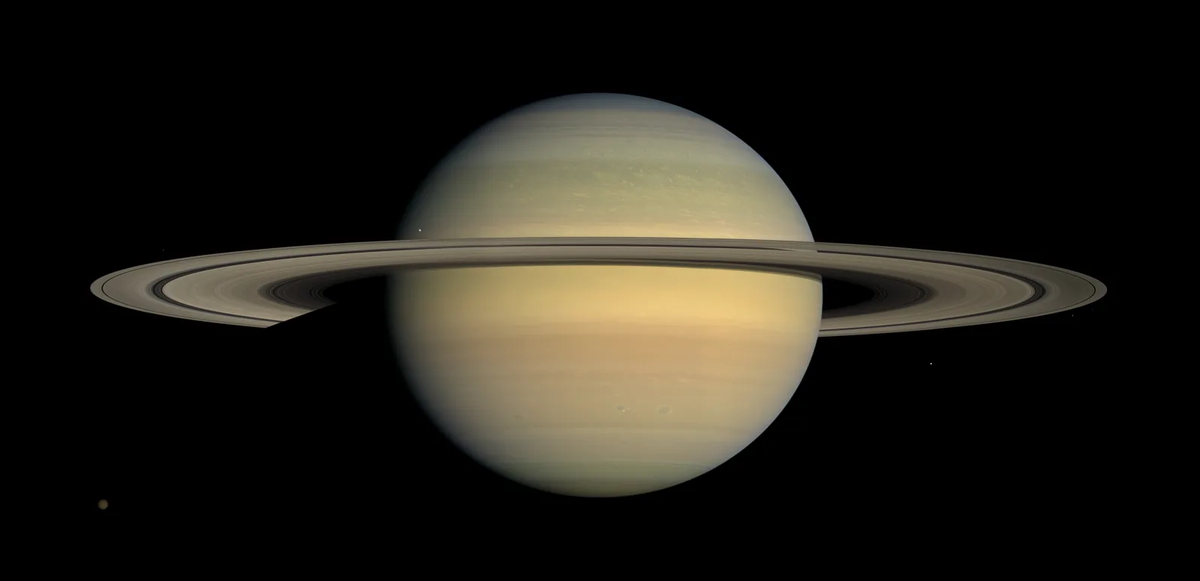
Foto: nikk9564, CC BY-SA 4.0, vía Wikimedia Commons
Musical characteristics
The first thing in is a synth playing the notes of the chord one after another instead of together. That is an arpeggio. Exclaim! compared it to a music box, and the comparison holds: it sounds like a wind-up toy, high and fragile.
Underneath comes the drum part, slow and dry, the classic hip-hop pattern known as boom bap. A glass arpeggio over a hip-hop snare — that contrast is half the character of the track.
Now the harmony. Follow the bass: it steps up and steps back down, over and over. It never travels far and never comes home with any ceremony; it just rocks. Two chords, the first and second degrees of the scale: in roman numerals, I – ii. In D♭ major, that is D♭maj7 and E♭m7.
With two chords, two other things carry the weight. One is timbre: what each sound is actually made of. The other is the voice. SZA records herself several times and stacks the layers, and at the end of nearly every line she stretches one syllable across several notes. That is a melisma, and it is the house style of R&B.
You will not play it in D♭. The easy JamZone version is in C, with C and D minor — the same I – ii move, one semitone lower. Shifting a whole piece of music up or down without changing its shape is called transposition.
There is a shortcut, too: put a capo on the first fret and those same two chords sound in the original key again. Test it against the recording.
Hard facts: D♭ major — JamZone writes it C♯; same note, two names — 4/4, 80 BPM according to JamZone, though Hooktheory puts it at 89, 3:06, and the form is intro, verse, chorus, verse, chorus, outro.
Trivia and curiosities
- It was left off SOS because of the calendar, not because of the song: the demo closed too late for the delivery date. What ends up on a record is decided by the clock as much as by quality.
- Its public premiere was inside an advert during the 2024 Grammy ceremony. No single, no video, no radio — a commercial break. That is how a song reaches people now.
- SZA has said she was inspired by Stevie Wonder's "Saturn", from Songs in the Key of Life (1976), where the planet is a place with no pollution and no death. The idea is fifty years older than the song.
- The Grammy it won, Best R&B Song, is the songwriters' award, not the singer's. Six credited writers collected it for a song with two chords. There is a symmetry too: Stevie Wonder won that award in consecutive years in 1974 and 1975; SZA did it in 2024 and 2025.
- The title was read as a nod to the "Saturn return", the astrological idea that the planet comes back to its birth position after about twenty-nine and a half years. SZA was 34. Two other songs on the same idea came out within weeks: Kacey Musgraves' "Deeper Well" and Ariana Grande's "Saturn Returns Interlude".
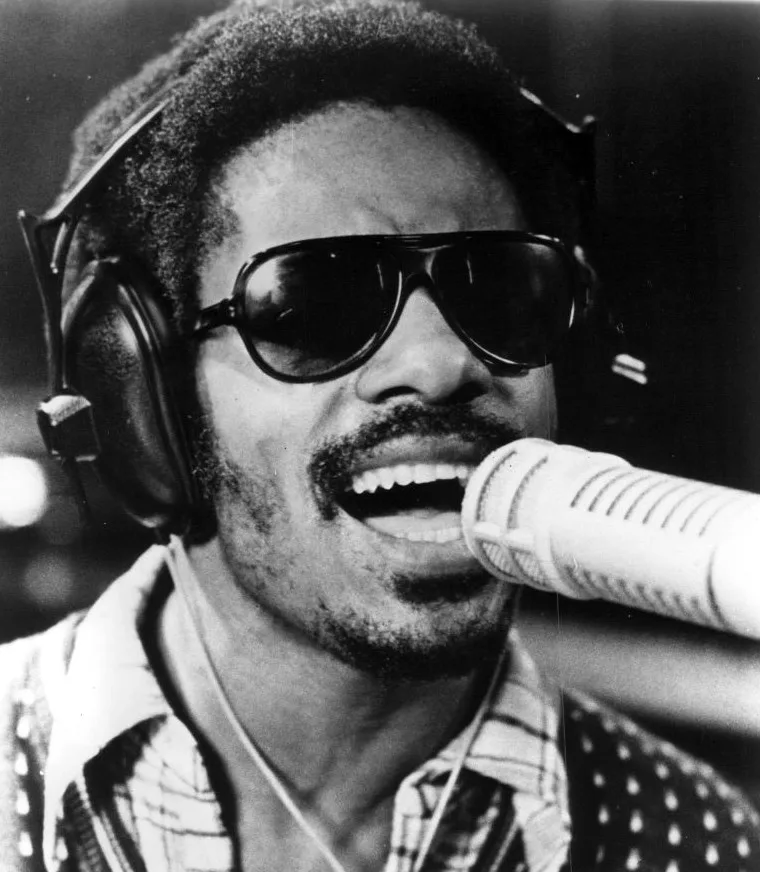
Foto: Motown Records, dominio público, vía Wikimedia Commons
Classroom activities
- Play: C and D minor on a loop, four beats each. That is what the JamZone chart gives you, and two chords means the whole class is in on day one. Then put a capo on the first fret and play along with the record.
- Sing: the chorus. Work the long end-of-line syllable on a single note first; once it is steady, open it out into two or three notes. That is a melisma explained without explaining it.
- Analyse: a closed question. Play the track and list what is different between the opening and the first chorus. Harmony cannot go on the list, because it does not change. What is left?
- Create: take any two chords, one and the one next door, and build a minute of music by changing only the timbres and the number of voices. Steal the procedure, not the song.
Key vocabulary
- Arpeggio — arpegio: las notas de un acorde una detrás de otra
- Boom bap — el patrón de batería lento y seco del hip hop clásico
- Timbre — timbre: de qué está hecho un sonido
- Melisma — melisma: estirar una sílaba por varias notas
- Transposition — transposición: subir o bajar entera una música sin cambiar su forma
Resources
In Year 3 — this song is also used in the units ¿Cómo mandas una canción a mil kilómetros sin poder escribirla?, ¿Qué pasa cuando dejamos de cantar todos lo mismo?, from the theory and history book.
Where it is explained — this song is studied in the units ¿Quién toca la batería en esta canción?, ¿Por qué las canciones ya no te hacen esperar?, from the modern music history book.
Official audio — SZA's channel. There is no conventional music video; the audio is what the label put out.
Guitar tutorial — simplestringz. Three chords with a capo on the fourth fret, which puts you in the original key.
Piano tutorial — PianoMix. Played in D♭ major, the key of the recording.
Bass tutorial — EasyStringTab. Few views, but it goes through the whole song and it is free.
Drum tutorial — EasyDrumLesson, same channel as the bass one and the same format.
Official live version — to compare what survives without the studio production.
- Modern band chart — https://jamzone.musicwill.org/songs/saturn
- Harmonic analysis — https://www.hooktheory.com/theorytab/view/sza/saturn
- Tab — attached below; the button opens it in Songsterr
Por dónde entrar
Esta canción la has oído. Estuvo en todas partes en 2024 y sigue en las listas de reproducción de medio instituto.
Ahora la pregunta: ¿cuántos acordes crees que tiene? Son dos. Dos, del principio al final, sin un solo desvío. Y aun así no suena pobre ni repetitiva.
Ahí está el asunto de esta página. Si la riqueza de una canción no viene del número de acordes, ¿de dónde viene?
Contexto histórico
En diciembre de 2022 SZA publicó SOS, su segundo disco, y se pasó el año siguiente prometiendo una edición ampliada. En agosto de 2023 contó a Variety que aquello ya no era una edición ampliada, sino otro proyecto: lo llamó Lana, la «cara B» de SOS.
«Saturn» venía de antes. La escribió durante las sesiones de SOS con la intención de meterla en el disco, y se quedó fuera por el calendario: según Cian Ducrot, uno de los firmantes, la maqueta se terminó demasiado cerca del día en que había que entregar el álbum a la discográfica.
La estrenó en un concierto por invitación en el Brooklyn Navy Yard el 8 de septiembre de 2023. El estreno público llegó el 4 de febrero de 2024, y no fue en la radio: fue dentro de un anuncio de Mastercard emitido en una pausa de la gala de los Grammy.
Dieciocho días después, el 22 de febrero de 2024, salió por sorpresa en plataformas con Top Dawg y RCA. Entró en el número 6 del Billboard Hot 100, y en febrero de 2025 ganó el Grammy a la mejor canción de R&B.
El orden se confunde a menudo, así que conviene decirlo con precisión: salió primero como single suelto. Solo diez meses más tarde, el 20 de diciembre de 2024, apareció como corte 15 de SOS Deluxe: Lana, la reedición de SOS.
Foto: nikk9564, CC BY-SA 4.0, vía Wikimedia Commons
Cómo suena
Lo primero que entra es un sintetizador que va soltando las notas del acorde una detrás de otra, en vez de todas a la vez. Eso es un arpegio. La crítica de Exclaim! lo comparó con una caja de música, y la comparación se sostiene: suena a juguete de cuerda, agudo y frágil.
Debajo llega la batería, con el patrón lento y seco del hip hop clásico —lo llaman boom bap—. Ese contraste, un arpegio de cristal sobre una caja de hip hop, es la mitad del carácter de la canción.
Y ahora la armonía. Escucha el bajo: sube un escalón y vuelve a bajar, una y otra vez. Nunca se va lejos ni vuelve a casa con fanfarria; solo oscila. Son dos acordes, el primero y el segundo grado de la escala: en números romanos, I – ii. En Reb mayor, Reb maj7 y Mib m7.
Con dos acordes, todo el peso lo llevan otras dos cosas. Una es el timbre: de qué está hecho cada sonido. La otra es la voz. SZA se graba a sí misma varias veces y apila las capas, y en los finales de frase estira una sola sílaba por varias notas: eso es un melisma, y es la marca de casa del R&B.
En clase no lo vais a tocar en Reb. La versión fácil de JamZone está en Do, con Do y Re menor, que es el mismo movimiento I – ii un semitono más abajo. Cambiar una música entera de altura sin cambiar su forma se llama transposición.
Y hay atajo: con la cejilla en el primer traste, esos mismos dos acordes suenan otra vez en la tonalidad original. Pruébalo contra la grabación.
Datos duros: Re bemol mayor —JamZone lo escribe Do sostenido; son la misma nota con dos nombres—, 4/4, 80 BPM según JamZone, aunque Hooktheory lo cifra en 89, 3:06, y la forma es intro, estrofa, estribillo, estrofa, estribillo y outro.
Curiosidades
- Estuvo fuera de SOS por el calendario, no por la canción: la maqueta se cerró demasiado tarde para la fecha de entrega. Lo que acaba en un disco lo decide el reloj tanto como la calidad.
- Su estreno público fue dentro de un anuncio en la gala de los Grammy de 2024. Ni single, ni videoclip, ni radio: un corte publicitario. Así llega hoy una canción a la gente.
- SZA ha contado que se inspiró en «Saturn» de Stevie Wonder, de Songs in the Key of Life (1976), donde el planeta aparece como un sitio sin contaminación ni muerte. La idea es cincuenta años más vieja que la canción.
- El Grammy que ganó, el de mejor canción de R&B, es el premio de los autores, no de quien canta. Se lo llevaron los seis firmantes por una canción de dos acordes. Y hay una simetría: Stevie Wonder lo ganó dos años seguidos en 1974 y 1975; SZA, en 2024 y 2025.
- El título se leyó como una alusión al «retorno de Saturno», la idea astrológica de que el planeta vuelve a su posición de nacimiento unos veintinueve años y medio después. SZA tenía 34 años. En las mismas semanas salieron otras dos canciones sobre lo mismo: «Deeper Well», de Kacey Musgraves, y «Saturn Returns Interlude», de Ariana Grande.
Foto: Motown Records, dominio público, vía Wikimedia Commons
Para hacer en clase
- Tocar: Do y Re menor en bucle, cuatro tiempos cada uno. Es lo que trae la ficha de JamZone, y con dos acordes entra la clase entera el primer día. Después, la cejilla en el primer traste y a tocar encima de la grabación.
- Cantar: el estribillo. Trabajad primero la sílaba larga del final de frase a una sola nota, y cuando esté firme, abridla en dos o tres notas. Ahí se entiende lo que es un melisma sin necesidad de explicarlo.
- Analizar: pregunta cerrada. Poned la canción y anotad qué es distinto entre el arranque y el primer estribillo. La armonía no puede estar en la lista, porque no cambia. ¿Qué queda?
- Crear: coged dos acordes cualesquiera, uno y el de al lado, y montad un minuto de música cambiando solo los timbres y el número de voces. Se roba el procedimiento, no la canción.
Vocabulario fundamental
- Arpegio — Las notas de un acorde tocadas una detrás de otra en vez de a la vez. Aquí es lo primero que se oye.
- Boom bap — El patrón de batería lento y seco del hip hop clásico. Es lo que sostiene el arpegio por debajo.
- Timbre — De qué está hecho un sonido, lo que te permite distinguir dos instrumentos tocando la misma nota. En esta canción es donde está casi todo.
- Melisma — Estirar una sola sílaba por varias notas. Es lo que hace SZA al final de casi cada frase.
- Transposición — Subir o bajar entera una música sin cambiar su forma. Do y Re menor es Reb y Mib menor bajados un semitono.
Recursos
En 3º de ESO — también se usa en las unidades ¿Cómo mandas una canción a mil kilómetros sin poder escribirla?, ¿Qué pasa cuando dejamos de cantar todos lo mismo?, del libro de teoría e historia.
Dónde se explica — esta canción se estudia en las unidades ¿Quién toca la batería en esta canción?, ¿Por qué las canciones ya no te hacen esperar?, del libro de historia de la música moderna.
Audio oficial — canal de SZA. No hay videoclip al uso: lo que publicó el sello es el audio.
Tutorial de guitarra — simplestringz. Tres acordes con cejilla en el cuarto traste, es decir, en la tonalidad original.
Tutorial de piano — PianoMix. Lo toca en Reb mayor, la tonalidad original de la grabación.
Tutorial de bajo — EasyStringTab. Tiene pocas visitas, pero recorre la canción entera y es gratuito.
Tutorial de batería — EasyDrumLesson, del mismo canal que el de bajo y con el mismo formato.
En directo, versión oficial — para comparar lo que se sostiene sin la producción del estudio.
- Ficha de banda moderna — https://jamzone.musicwill.org/songs/saturn
- Análisis armónico — https://www.hooktheory.com/theorytab/view/sza/saturn
- Tablatura — adjunta abajo; el botón la abre en Songsterr
Why this song
Start with a count. Put the song on and try to write down the chords.
You will run out after two. Two chords, start to finish, no detours, and it still does not sound thin or repetitive. Most songs you know have four.
So here is the question this page answers: if the richness of a song does not come from the number of chords, where does it come from?
Historical context
SZA released SOS in December 2022 and spent the following year promising a deluxe edition. By August 2023 she was telling Variety it had turned into a different project altogether, which she called Lana — the "B-side" to SOS.
"Saturn" was older than that. She wrote it during the SOS sessions meaning to put it on the album, and it missed the cut for calendar reasons. Co-writer Cian Ducrot said the demo was finished too close to the day the album had to be handed to the label.
She played it live for the first time at an invite-only show at the Brooklyn Navy Yard on 8 September 2023. The public premiere came on 4 February 2024, inside a Mastercard commercial aired during a break in the Grammy ceremony.
Eighteen days later, on 22 February 2024, it was surprise-released on streaming through Top Dawg and RCA. It entered the Billboard Hot 100 at number 6, and in February 2025 it won the Grammy for Best R&B Song.
The order matters and is often reported wrong: it came out first as a standalone single. Only ten months later, on 20 December 2024, did it appear as track 15 of SOS Deluxe: Lana, the reissue of SOS.
Foto: nikk9564, CC BY-SA 4.0, vía Wikimedia Commons
Musical characteristics
The first thing in is a synth playing the notes of the chord one after another instead of together. That is an arpeggio. Exclaim! compared it to a music box, and the comparison holds: it sounds like a wind-up toy, high and fragile.
Underneath comes the drum part, slow and dry, the classic hip-hop pattern known as boom bap. A glass arpeggio over a hip-hop snare — that contrast is half the character of the track.
Now the harmony. Follow the bass: it steps up and steps back down, over and over. It never travels far and never comes home with any ceremony; it just rocks. Two chords, the first and second degrees of the scale: in roman numerals, I – ii. In D♭ major, that is D♭maj7 and E♭m7.
With two chords, two other things carry the weight. One is timbre: what each sound is actually made of. The other is the voice. SZA records herself several times and stacks the layers, and at the end of nearly every line she stretches one syllable across several notes. That is a melisma, and it is the house style of R&B.
You will not play it in D♭. The easy JamZone version is in C, with C and D minor — the same I – ii move, one semitone lower. Shifting a whole piece of music up or down without changing its shape is called transposition.
There is a shortcut, too: put a capo on the first fret and those same two chords sound in the original key again. Test it against the recording.
Hard facts: D♭ major — JamZone writes it C♯; same note, two names — 4/4, 80 BPM according to JamZone, though Hooktheory puts it at 89, 3:06, and the form is intro, verse, chorus, verse, chorus, outro.
Trivia and curiosities
- It was left off SOS because of the calendar, not because of the song: the demo closed too late for the delivery date. What ends up on a record is decided by the clock as much as by quality.
- Its public premiere was inside an advert during the 2024 Grammy ceremony. No single, no video, no radio — a commercial break. That is how a song reaches people now.
- SZA has said she was inspired by Stevie Wonder's "Saturn", from Songs in the Key of Life (1976), where the planet is a place with no pollution and no death. The idea is fifty years older than the song.
- The Grammy it won, Best R&B Song, is the songwriters' award, not the singer's. Six credited writers collected it for a song with two chords. There is a symmetry too: Stevie Wonder won that award in consecutive years in 1974 and 1975; SZA did it in 2024 and 2025.
- The title was read as a nod to the "Saturn return", the astrological idea that the planet comes back to its birth position after about twenty-nine and a half years. SZA was 34. Two other songs on the same idea came out within weeks: Kacey Musgraves' "Deeper Well" and Ariana Grande's "Saturn Returns Interlude".
Foto: Motown Records, dominio público, vía Wikimedia Commons
Classroom activities
- Play: C and D minor on a loop, four beats each. That is what the JamZone chart gives you, and two chords means the whole class is in on day one. Then put a capo on the first fret and play along with the record.
- Sing: the chorus. Work the long end-of-line syllable on a single note first; once it is steady, open it out into two or three notes. That is a melisma explained without explaining it.
- Analyse: a closed question. Play the track and list what is different between the opening and the first chorus. Harmony cannot go on the list, because it does not change. What is left?
- Create: take any two chords, one and the one next door, and build a minute of music by changing only the timbres and the number of voices. Steal the procedure, not the song.
Key vocabulary
- Arpeggio — arpegio: las notas de un acorde una detrás de otra
- Boom bap — el patrón de batería lento y seco del hip hop clásico
- Timbre — timbre: de qué está hecho un sonido
- Melisma — melisma: estirar una sílaba por varias notas
- Transposition — transposición: subir o bajar entera una música sin cambiar su forma
Resources
In Year 3 — this song is also used in the units ¿Cómo mandas una canción a mil kilómetros sin poder escribirla?, ¿Qué pasa cuando dejamos de cantar todos lo mismo?, from the theory and history book.
Where it is explained — this song is studied in the units ¿Quién toca la batería en esta canción?, ¿Por qué las canciones ya no te hacen esperar?, from the modern music history book.
Official audio — SZA's channel. There is no conventional music video; the audio is what the label put out.
Guitar tutorial — simplestringz. Three chords with a capo on the fourth fret, which puts you in the original key.
Piano tutorial — PianoMix. Played in D♭ major, the key of the recording.
Bass tutorial — EasyStringTab. Few views, but it goes through the whole song and it is free.
Drum tutorial — EasyDrumLesson, same channel as the bass one and the same format.
Official live version — to compare what survives without the studio production.
- Modern band chart — https://jamzone.musicwill.org/songs/saturn
- Harmonic analysis — https://www.hooktheory.com/theorytab/view/sza/saturn
- Tab — attached below; the button opens it in Songsterr