Contenidos
Lean On Me — Bill Withers (1972)
A song about friends helping each other, built on the simplest scale in the world: C, D, E, F. Up and down, like a staircase.
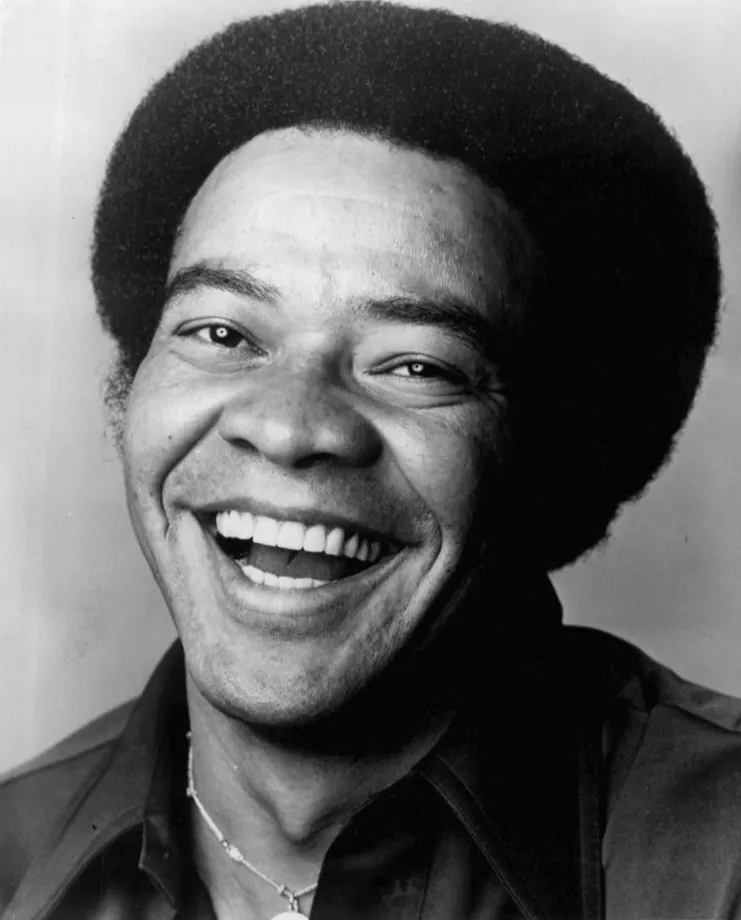
🏷️ Ficha musical
Why it's in this book
"Lean On Me" arrives in November, alongside Love Story, and it is here for a practical reason: it is the song for the first rotation of the year. From now on, the band places change hands, and for anyone to be able to pick up the ukulele bass you need a song whose bass line can be learnt in five minutes. This one climbs the scale note by note: C, D, E, F, and back. In class we play it in C, like the record, with the chords C, D minor, E minor and F climbing step by step and coming back down. The real song has more chords, with small changes Withers makes on the piano; in class we keep the staircase, which is its skeleton. In the classroom with no instruments we sing the melody and the staircase; with ukuleles we play the four chords in a row; and in the music room the ukulele bass and the xylophones play the scale while everyone else sings. The second voice sings a third on the title line.
Why this song
Sing C, D, E, F, and then F, E, D, C. You have just sung the intro of "Lean On Me".
You have heard this song in films, adverts, sports events and tributes. Whenever someone wants to say "you are not alone" with a song, this is the one.
The question on this page is: how does a four-note scale become one of the most-sung songs in history?
Historical context
Bill Withers was born in 1938 in Slab Fork, a coal-mining town in West Virginia, in the United States. His father was a miner and his mother cleaned houses. As a child he had a stutter and found it hard to fit in.
At 17 he joined the Navy and stayed for nine years. That is where he started singing and writing songs. Then he moved to Los Angeles and worked assembling parts in aircraft factories while recording demos with his own money. When his first famous song, "Ain't No Sunshine", became a hit in 1971, he refused to quit the factory: he thought the music business could not be trusted.
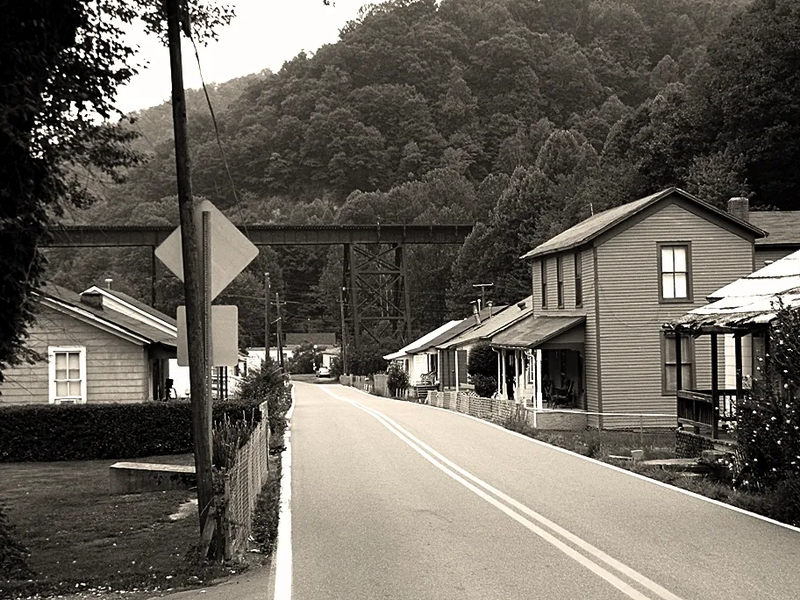
Foto: Coal town guy, CC BY-SA 3.0, vía Wikimedia Commons
Slab Fork, the town where Bill Withers was born, in 2011. In the background, an iron railway bridge among the hills of the coal country.
In Los Angeles, Withers missed his hometown. There, neighbours helped each other; in the big city, not so much. One day he bought a little piano and started running his fingers up and down the keys. That is where the line "Lean on me" came from. He said himself that he worked hard to keep the lyrics simple.
The song came out in 1972 and was number 1 in the United States for three weeks.
Musical characteristics
A staircase of notes. The piano starts on C and climbs note by note: C, D, E, F. Then it comes back down the same way. Moving like this, from one note to the next one, is called moving by step. It is the easiest thing in the world to sing, and that is why everyone sings it.
A staircase of chords. On each step of that staircase there is a chord: C, D minor, E minor, F. The chords climb and fall with the bass, the lowest line in the song. That is why the bass is so easy in class: it is a scale, the same one you sing when you learn the notes.
The piano in charge. The main instrument is Withers's piano, played calmly at 72 beats per minute. The drums come in softly and keep the beat without making noise. Later on, strings come in.
From church. The style is soul with a lot of gospel in it, the music of African American churches. You can hear it in the singing, strong and unhurried, and in the ending, which invites people to join in.
Hard facts: C major, 4/4, 72 beats per minute, 4:17 on the album. The form: piano intro, verses and choruses that come back, and an ending that repeats the call to lean on each other.
Guided listening
Play the official audio. In the intro there is only piano. Sing the notes along with it: C, D, E, F, and back.
When the voice comes in, listen to the melody: it also moves almost always to neighbouring notes, with no big leaps.
In the chorus, listen to the title line. Does the melody go up or down?
Find the moment the drums come in. Listen to how softly they play.
Then play the 1974 BBC performance and compare. Withers sings the same song, but not exactly the same way: listen for what changes.
Trivia and curiosities
- On the cover of his first album, Withers is pictured at the aircraft factory where he worked, holding his lunch box.
- In October 1971 he got two letters on the same day: one from the factory that had laid him off, offering him his job back at 3.50 dollars an hour, and one from a famous TV show inviting him to sing.
- In 1987 the group Club Nouveau made a dance version, and it also reached number 1. Only nine songs have been number 1 in the United States by two different artists.
- When Withers was inducted into the Rock and Roll Hall of Fame in 2015, Stevie Wonder and John Legend sang "Lean On Me" with him.
Classroom activities
- The staircase with your voice. Sing C, D, E, F, F, E, D, C. Then sing the chord names: C, D minor, E minor, F.
- The staircase on ukulele. C, D minor, E minor, F, and back, one chord per beat. No rush: the song is slow.
- The first rotation. Take turns on the ukulele bass and play the scale C, D, E, F. If you get it in five minutes, you are in the band.
- Second voice. One group sings the title melody and another a third above.
- Band. The ukulele bass and the xylophones play the scale, each note under its chord. Everyone else sings and plays ukulele.
Key vocabulary
- Step / stepwise motion — grados conjuntos
- Scale — escala
- Bass — bajo: la línea más grave
- Soul — soul: música afroamericana nacida del gospel
Resources
Official audio — From Bill Withers's channel. No music video was made in 1972.
Live for the BBC (1974) — Withers at the piano, also from his official channel.
Ukulele tutorial — TenThumbs Productions. For beginners, with tab and a play-along.
Guitar tutorial — JustinGuitar. An easy beginner lesson.
Piano tutorial — Betacustic. For beginners, with sheet music: the staircase is very clear.
With Stevie Wonder and John Legend (2015) — At the Rock and Roll Hall of Fame. Listen to the whole audience singing.
Por qué está en este libro
«Lean On Me» llega en noviembre, junto a Love Story, y está aquí por una razón práctica: es la canción de la primera rotación del curso. Desde ahora, los puestos de la banda van cambiando de mano, y para que cualquiera pueda coger el ukebajo hace falta una canción cuyo bajo se aprenda en cinco minutos. El de esta sube por la escala, nota a nota: do, re, mi, fa, y vuelve. En clase la tocamos en Do, como el disco, con los acordes do, re menor, mi menor y fa subiendo por grados y bajando. La canción de verdad tiene más acordes, con cambios pequeños que hace el piano de Withers; en clase nos quedamos con la escalera, que es su esqueleto. En el aula sin instrumentos cantamos la melodía y la escalera con la voz; con ukelele, tocamos los cuatro acordes en fila; y en el aula de música el ukebajo y los xilófonos tocan la escala mientras el resto canta. La segunda voz canta una tercera en el verso del título.
Por dónde entrar
Canta do, re, mi, fa, y luego fa, mi, re, do. Acabas de cantar la intro de «Lean On Me».
Esta canción la has oído en películas, en anuncios, en partidos y en homenajes. Cada vez que alguien quiere decir «no estás solo» con una canción, sale esta.
La pregunta de esta página es: ¿cómo se convierte una escala de cuatro notas en una de las canciones más cantadas de la historia?
Contexto histórico
Bill Withers nació en 1938 en Slab Fork, un pueblo minero de Virginia Occidental, en Estados Unidos. Su padre era minero y su madre trabajaba limpiando casas. De niño tartamudeaba y le costaba encajar.
A los 17 años entró en la Marina, y allí estuvo nueve años. Ahí empezó a cantar y a escribir canciones. Luego se fue a Los Ángeles y trabajó montando piezas en fábricas de aviones mientras grababa maquetas con su propio dinero. Cuando su primera canción famosa, «Ain't No Sunshine», triunfó en 1971, no quiso dejar la fábrica: pensaba que la música era un negocio poco fiable.
Foto: Coal town guy, CC BY-SA 3.0, vía Wikimedia Commons
Slab Fork, el pueblo donde nació Bill Withers, en 2011. Al fondo, un puente de hierro del ferrocarril, entre las montañas de la zona minera.
En Los Ángeles, Withers echaba de menos su pueblo. Allí la gente se ayudaba entre vecinos; en la gran ciudad, no tanto. Un día compró un piano pequeño y se puso a pasar los dedos arriba y abajo por las teclas. De ahí salió la frase «Lean on me», «apóyate en mí». Él mismo dijo que se esforzó por que la letra fuera sencilla.
La canción salió en 1972 y fue número 1 en Estados Unidos durante tres semanas.
Cómo suena
Una escalera de notas. El piano empieza en do y sube nota a nota: do, re, mi, fa. Luego baja por el mismo camino. Moverse así, de una nota a la de al lado, se llama moverse por grados conjuntos. Es lo más fácil de cantar que existe, y por eso la canta todo el mundo.
Una escalera de acordes. Sobre cada nota de esa escalera suena un acorde: do, re menor, mi menor, fa. Los acordes suben y bajan con el bajo, la línea más grave de la canción. Por eso en clase el bajo es tan fácil: es una escala, la misma que cantas al aprender las notas.
Un piano que manda. El instrumento principal es el piano de Withers, tocado con calma, a 72 pulsos por minuto. La batería entra suave y marca el pulso sin hacer ruido. Más adelante entran unas cuerdas.
De la iglesia. El estilo es soul con mucho de gospel, la música de las iglesias afroamericanas. Se nota en la forma de cantar, con fuerza y sin prisa, y en el final, que invita a que la gente se una cantando.
Datos duros: Do mayor, 4/4, 72 pulsos por minuto, 4:17 en el disco. La forma: intro de piano, estrofas y estribillos que vuelven, y un final en el que se repite la llamada a apoyarse en el otro.
Escucha guiada
Pon el audio oficial. En la intro, solo hay piano. Canta tú las notas a la vez: do, re, mi, fa, y vuelta.
Cuando entre la voz, fíjate en la melodía: también se mueve casi siempre a notas vecinas, sin saltos grandes.
En el estribillo, escucha la frase del título. ¿Sube o baja la melodía?
Busca el momento en que entra la batería. Escucha lo suave que toca.
Después, pon la actuación de 1974 para la BBC y compárala. Withers canta lo mismo, pero no exactamente igual: escucha qué cambia.
Curiosidades
- En la portada de su primer disco, Withers sale en la fábrica de aviones donde trabajaba, con su fiambrera en la mano.
- En octubre de 1971 recibió dos cartas el mismo día: una de la fábrica que le había despedido, ofreciéndole volver por 3,50 dólares la hora, y otra de un famoso programa de televisión invitándole a cantar.
- En 1987 el grupo Club Nouveau hizo una versión con ritmo de baile y también llegó al número 1. Solo nueve canciones han sido número 1 en Estados Unidos con dos artistas distintos.
- Cuando Withers entró en el Salón de la Fama del Rock en 2015, Stevie Wonder y John Legend cantaron «Lean On Me» con él.
Para hacer en clase
- La escalera con la voz. Cantad do, re, mi, fa, fa, mi, re, do. Luego, con los nombres de los acordes: do, re menor, mi menor, fa.
- La escalera en ukelele. Do, re menor, mi menor, fa, y vuelta, un acorde por pulso. Sin prisa: la canción va lenta.
- La primera rotación. Por turnos, cada uno pasa por el ukebajo y toca la escala do, re, mi, fa. Si sale en cinco minutos, ya estáis en la banda.
- Segunda voz. Un grupo canta la melodía del título y otro una tercera por encima.
- Banda. El ukebajo y los xilófonos tocan la escala, cada nota en su acorde. El resto canta y toca ukelele.
Vocabulario fundamental
- Grados conjuntos — Moverse de una nota a la de al lado, sin saltar ninguna.
- Escala — Las notas en fila, una detrás de otra: do, re, mi, fa, sol, la, si.
- Bajo — La línea más grave de la canción, la que sostiene los acordes.
- Soul — Música afroamericana nacida del gospel de las iglesias, cantada con mucha fuerza.
Recursos
Audio oficial — Del canal de Bill Withers. En 1972 no se grabó videoclip.
En directo para la BBC (1974) — Withers al piano, también de su canal oficial.
Tutorial de ukelele — TenThumbs Productions. Para principiantes, con tablatura y para tocar encima.
Tutorial de guitarra — JustinGuitar. Lección fácil para principiantes.
Tutorial de piano — Betacustic. Para principiantes, con partitura: la escalera se ve muy clara.
Con Stevie Wonder y John Legend (2015) — En el Salón de la Fama del Rock. Escucha cómo canta todo el público.
Why it's in this book
"Lean On Me" arrives in November, alongside Love Story, and it is here for a practical reason: it is the song for the first rotation of the year. From now on, the band places change hands, and for anyone to be able to pick up the ukulele bass you need a song whose bass line can be learnt in five minutes. This one climbs the scale note by note: C, D, E, F, and back. In class we play it in C, like the record, with the chords C, D minor, E minor and F climbing step by step and coming back down. The real song has more chords, with small changes Withers makes on the piano; in class we keep the staircase, which is its skeleton. In the classroom with no instruments we sing the melody and the staircase; with ukuleles we play the four chords in a row; and in the music room the ukulele bass and the xylophones play the scale while everyone else sings. The second voice sings a third on the title line.
Why this song
Sing C, D, E, F, and then F, E, D, C. You have just sung the intro of "Lean On Me".
You have heard this song in films, adverts, sports events and tributes. Whenever someone wants to say "you are not alone" with a song, this is the one.
The question on this page is: how does a four-note scale become one of the most-sung songs in history?
Historical context
Bill Withers was born in 1938 in Slab Fork, a coal-mining town in West Virginia, in the United States. His father was a miner and his mother cleaned houses. As a child he had a stutter and found it hard to fit in.
At 17 he joined the Navy and stayed for nine years. That is where he started singing and writing songs. Then he moved to Los Angeles and worked assembling parts in aircraft factories while recording demos with his own money. When his first famous song, "Ain't No Sunshine", became a hit in 1971, he refused to quit the factory: he thought the music business could not be trusted.
Foto: Coal town guy, CC BY-SA 3.0, vía Wikimedia Commons
Slab Fork, the town where Bill Withers was born, in 2011. In the background, an iron railway bridge among the hills of the coal country.
In Los Angeles, Withers missed his hometown. There, neighbours helped each other; in the big city, not so much. One day he bought a little piano and started running his fingers up and down the keys. That is where the line "Lean on me" came from. He said himself that he worked hard to keep the lyrics simple.
The song came out in 1972 and was number 1 in the United States for three weeks.
Musical characteristics
A staircase of notes. The piano starts on C and climbs note by note: C, D, E, F. Then it comes back down the same way. Moving like this, from one note to the next one, is called moving by step. It is the easiest thing in the world to sing, and that is why everyone sings it.
A staircase of chords. On each step of that staircase there is a chord: C, D minor, E minor, F. The chords climb and fall with the bass, the lowest line in the song. That is why the bass is so easy in class: it is a scale, the same one you sing when you learn the notes.
The piano in charge. The main instrument is Withers's piano, played calmly at 72 beats per minute. The drums come in softly and keep the beat without making noise. Later on, strings come in.
From church. The style is soul with a lot of gospel in it, the music of African American churches. You can hear it in the singing, strong and unhurried, and in the ending, which invites people to join in.
Hard facts: C major, 4/4, 72 beats per minute, 4:17 on the album. The form: piano intro, verses and choruses that come back, and an ending that repeats the call to lean on each other.
Guided listening
Play the official audio. In the intro there is only piano. Sing the notes along with it: C, D, E, F, and back.
When the voice comes in, listen to the melody: it also moves almost always to neighbouring notes, with no big leaps.
In the chorus, listen to the title line. Does the melody go up or down?
Find the moment the drums come in. Listen to how softly they play.
Then play the 1974 BBC performance and compare. Withers sings the same song, but not exactly the same way: listen for what changes.
Trivia and curiosities
- On the cover of his first album, Withers is pictured at the aircraft factory where he worked, holding his lunch box.
- In October 1971 he got two letters on the same day: one from the factory that had laid him off, offering him his job back at 3.50 dollars an hour, and one from a famous TV show inviting him to sing.
- In 1987 the group Club Nouveau made a dance version, and it also reached number 1. Only nine songs have been number 1 in the United States by two different artists.
- When Withers was inducted into the Rock and Roll Hall of Fame in 2015, Stevie Wonder and John Legend sang "Lean On Me" with him.
Classroom activities
- The staircase with your voice. Sing C, D, E, F, F, E, D, C. Then sing the chord names: C, D minor, E minor, F.
- The staircase on ukulele. C, D minor, E minor, F, and back, one chord per beat. No rush: the song is slow.
- The first rotation. Take turns on the ukulele bass and play the scale C, D, E, F. If you get it in five minutes, you are in the band.
- Second voice. One group sings the title melody and another a third above.
- Band. The ukulele bass and the xylophones play the scale, each note under its chord. Everyone else sings and plays ukulele.
Key vocabulary
- Step / stepwise motion — grados conjuntos
- Scale — escala
- Bass — bajo: la línea más grave
- Soul — soul: música afroamericana nacida del gospel
Resources
Official audio — From Bill Withers's channel. No music video was made in 1972.
Live for the BBC (1974) — Withers at the piano, also from his official channel.
Ukulele tutorial — TenThumbs Productions. For beginners, with tab and a play-along.
Guitar tutorial — JustinGuitar. An easy beginner lesson.
Piano tutorial — Betacustic. For beginners, with sheet music: the staircase is very clear.
With Stevie Wonder and John Legend (2015) — At the Rock and Roll Hall of Fame. Listen to the whole audience singing.