Contenidos
Hey Jude — The Beatles (1968)
A seven-minute song where half of it is a choir repeating the same thing. Three chords, four minutes and a whole stadium singing: that is how you build an ending nobody wants to stop.
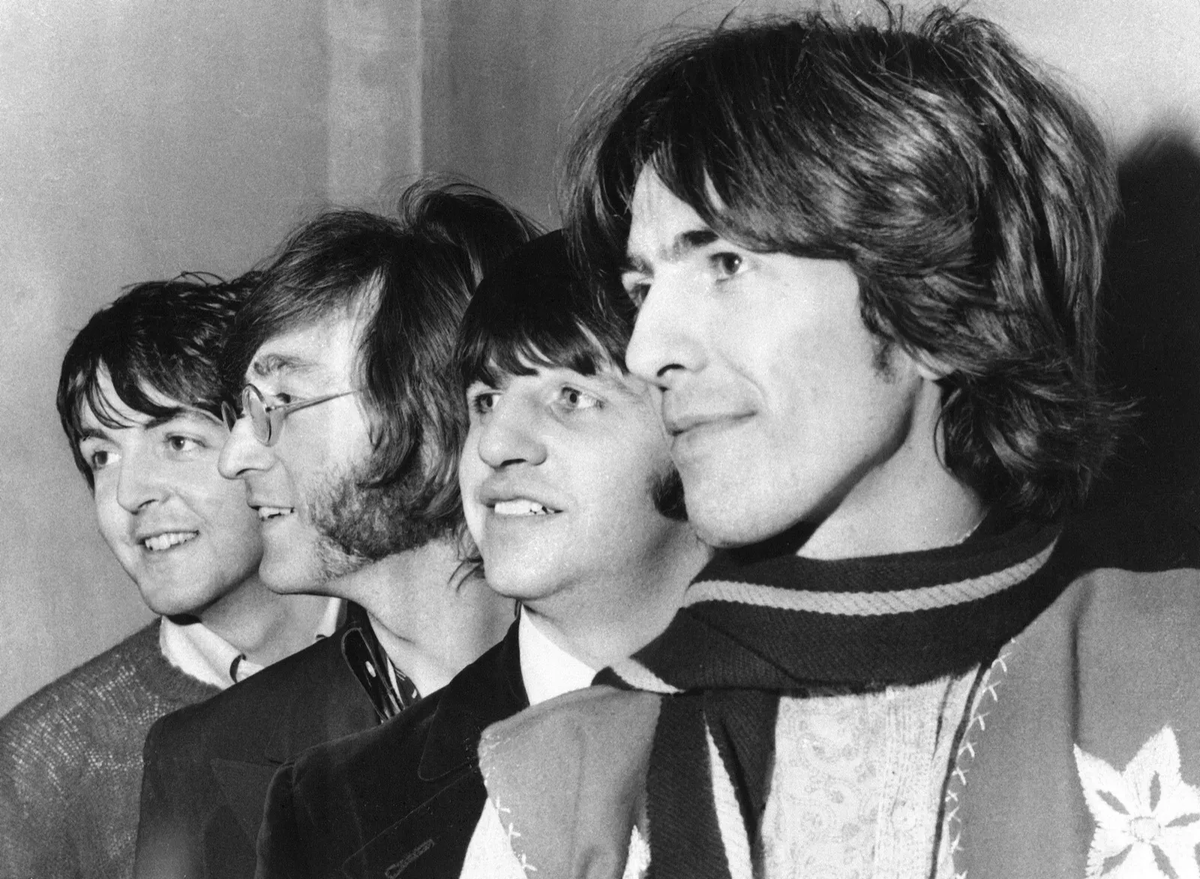
🏷️ Ficha musical
Why it's in this book
"Hey Jude" is April's anchor song, and what we work on above all is the ending: the coda, four minutes of choir over just three chords. It is the song in this book for singing in two and three parts without sheet music. Over a loop that never changes, each group finds its note and holds it. Its chord family is different from the others in the book: I–♭VII–IV, with a "borrowed" chord that is not in the major scale and gives the coda its celebratory sound. In class we play it in G, one tone higher than the record: G, F and C, three easy ukulele chords. In the room with nothing, we sing the coda a cappella, first in unison and then opening out into parts; in the ukulele room, we play the three-chord loop; in the music room the whole band comes in, with the keyboard marking the bass. To be honest: the record's verses and bridge have many more chords than fit at this point. That is why April's work is the coda, not the whole song. That same month, the twelve-bar blues in C completes the work of improvising over a loop.
Why this song
If you have ever seen a whole stadium sing "na, na, na" with nobody conducting, you already know the end of "Hey Jude". Paul McCartney has kept singing it in concert for decades, and in the coda it is the audience who sings.
The question on this page is: how can a song repeat the same thing for four minutes without getting boring?
Historical context
In 1968 John Lennon left his wife, Cynthia, for the Japanese artist Yoko Ono. They had a five-year-old son, Julian. Paul McCartney drove out to see them and, on the way, started singing something to comfort the boy: "Hey Jules". Later he changed the name to Jude, which he thought sounded better.
The lyrics do not talk about divorce. They say something simpler: take a sad song and make it better.
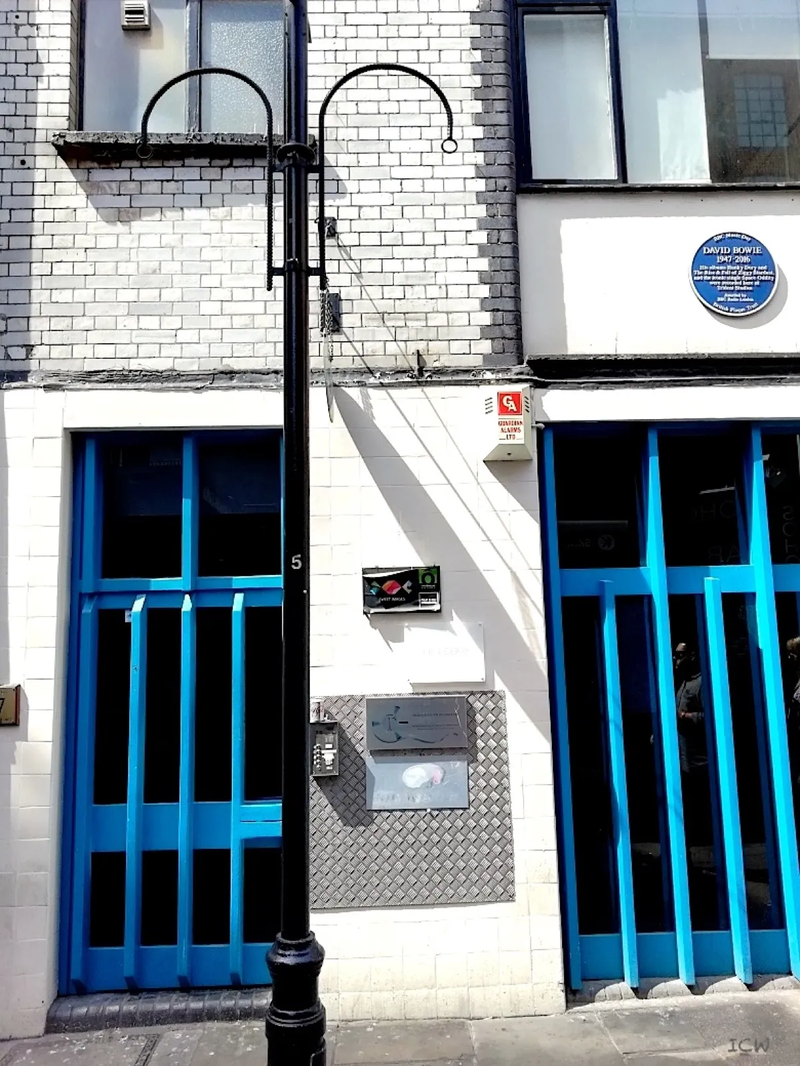
Foto: Picachord, CC BY-SA 4.0, vía Wikimedia Commons
This building in London's Soho was Trident Studios. The Beatles came here to record, instead of their usual studio, for a technical reason: Trident had an eight-track recorder, and theirs only had four. With eight tracks they could record the band, the voices and an orchestra separately and mix them afterwards. "Hey Jude" was the first Beatles song recorded that way.
The song lasts more than seven minutes. McCartney and the producer, George Martin, were afraid radio stations would not play it. Lennon replied: "They will if it's us." He was right. It was number 1 for nine weeks in the United States and the best-selling single of 1968 in several countries.
Musical characteristics
A song in two halves. For about three minutes, "Hey Jude" is a ballad: verses, a bridge, piano and voice. Then it changes its mind. A coda begins, a closing section that works almost like another song. And that coda lasts longer than everything before it: about four minutes.
Three chords going round. In the coda, the harmony is a loop of three chords: F, E flat and B flat, and back to F. The E flat is the key detail. It should not be in F major: it is a "borrowed" chord. A major scale with its seventh note lowered by a semitone is called the Mixolydian mode. That semitone is what makes the coda sound like a party and not a ballad.
In class we play it one tone higher, in G: G, F and C. It is the same loop, transposed to easy ukulele chords.
How four minutes hold up. The loop repeats 19 times. Everything else changes. The orchestra comes in, 36 musicians. The orchestra players sing and clap. And McCartney, on top, improvises shouts and new phrases on every round. The harmony stays still so the voice can move. Singing something new, on the spot, over a base that does not change, is called improvising.
An ending that doesn't end. The song does not finish on a final chord. It slowly fades away, with the choir still singing. This is called a fade-out: the song moves away, as if it were still playing in another room.
Hard facts: F major, with the coda in F Mixolydian; 4/4; 74 beats per minute; 7:11. Form: verses and bridges for about three minutes and a coda of about four.
Guided listening
Play the music video. At first there is only the piano and McCartney's voice, which starts almost without an intro. Count how many instruments you hear.
In the second verse, notice when the drums and tambourine come in. The song starts to walk.
When the bridge arrives, listen to how the harmony moves more than in the verse. It is the hardest part of the song, and that is why we do not play it in class.
When the coda starts, count the rounds of the loop. F, E flat, B flat, F. Try to count up to five rounds.
In the video, watch for the moment the audience moves up to the Beatles and starts singing with them. Compare it with the beginning: the same three chords, but now everyone is singing.
Trivia and curiosities
- Of the 36 orchestra musicians, one refused to sing and clap. The rest agreed, in exchange for double pay. The crowd you hear in the coda is partly an orchestra singing.
- The video was first shown on a British TV show, "Frost on Sunday", in September 1968. The audience that moves in to sing was there for that: the video was planned with people singing from the start.
- "Hey Jude" was the first record on the Beatles' own label, Apple. A seven-minute song to launch a company.
- For nine years no song beat it for weeks at number 1 in the United States. Nine weeks in a row, with a four-minute coda.
Classroom activities
- Coda in unison. The whole class sings the coda's "na, na, na" a cappella, in unison. Boys an octave lower. Keep the beat with your feet. Hold the slow tempo even if you feel like rushing.
- Opening out into parts. Over the same loop, one group keeps the melody. Another finds a note a third away and holds it. A third group, a fifth away. If it sounds good, there is no need to write it down: learn it by ear.
- The loop on ukulele. G, F, C and back to G. One chord per bar. When it works, some play and others sing, then swap.
- Improvise on top. While the class sings the coda, one person sings a new two-bar phrase over the loop. Then the next. Nobody has rehearsed it: that is improvising.
- Band. In the music room, the keyboard marks the loop's bass with the left hand. The drums come in softly and grow with every round. Record the whole coda and listen to whether the tempo held.
Key vocabulary
- Coda — coda: la sección que cierra la canción
- Eight-track — ocho pistas
- Mixolydian mode — modo mixolidio: escala mayor con la séptima bajada medio tono
- Improvising — improvisar
- Fade-out — fundido
Resources
Official music video — Filmed in 1968 with an audience, who join in on the coda.
Ukulele tutorial — Cynthia Lin. Play and sing along, with chords and lyrics on screen.
Guitar tutorial — JustinGuitar. An easy version, step by step.
Piano tutorial — PHianonize. An easy version.
Drum tutorial — A short five-minute lesson.
Por qué está en este libro
«Hey Jude» es la canción ancla de abril, y de ella trabajamos sobre todo el final: la coda, cuatro minutos de coro sobre solo tres acordes. Es la canción del libro para cantar a dos y a tres voces sin partitura. Encima de un bucle que no cambia, cada grupo busca su nota y la mantiene. Su familia de acordes es distinta de las demás del libro: I–♭VII–IV, un acorde «prestado» que no está en la escala mayor y que da a la coda su sonido de celebración. En clase la tocamos en sol, un tono más aguda que el disco: sol, fa y do, tres acordes fáciles en ukelele. En el aula sin nada se canta la coda a capela, primero al unísono y luego abriendo voces; en el aula con ukelele, el bucle de tres acordes; en el aula de música entra toda la banda, con el teclado marcando el bajo. Siendo honestos: las estrofas y el puente del disco tienen muchos más acordes de los que caben ahora. Por eso el trabajo de abril es la coda, no la canción entera. Ese mismo mes, el blues de doce compases en do completa el trabajo de improvisar sobre un bucle.
Por dónde entrar
Si alguna vez has visto a un estadio entero cantar «na, na, na» sin que nadie dirija, ya conoces el final de «Hey Jude». Paul McCartney la sigue cantando en sus conciertos desde hace décadas, y en la coda es el público quien canta.
La pregunta de esta página es: ¿cómo puede una canción repetir lo mismo durante cuatro minutos sin aburrir?
Contexto histórico
En 1968, John Lennon dejó a su mujer, Cynthia, por la artista japonesa Yoko Ono. Tenían un hijo de cinco años, Julian. Paul McCartney fue a verlos en coche y, por el camino, empezó a cantar algo para consolar al niño: «Hey Jules». Después cambió el nombre a Jude, que le sonaba mejor.
La letra no habla de divorcios. Dice algo más sencillo: coge una canción triste y hazla mejor.
Foto: Picachord, CC BY-SA 4.0, vía Wikimedia Commons
Este edificio del Soho de Londres era Trident Studios. Los Beatles se fueron a grabar aquí, y no a su estudio de siempre, por una razón técnica: Trident tenía una grabadora de ocho pistas, y el suyo solo cuatro. Con ocho pistas podían grabar la banda, las voces y una orquesta por separado y mezclarlas después. «Hey Jude» fue la primera canción de los Beatles grabada así.
La canción dura más de siete minutos. McCartney y el productor, George Martin, temían que las radios no la pusieran. Lennon le contestó: «La pondrán si es nuestra». Tenía razón. Fue número 1 nueve semanas en Estados Unidos y el single más vendido de 1968 en varios países.
Cómo suena
Una canción en dos partes. Durante unos tres minutos, «Hey Jude» es una balada: estrofas, un puente, piano y voz. Después cambia de idea. Empieza una coda, una sección final que funciona casi como otra canción. Y esa coda dura más que todo lo anterior: unos cuatro minutos.
Tres acordes que giran. En la coda, la armonía es un bucle de tres acordes: fa, mi bemol y si bemol, y vuelta a fa. El mi bemol es el detalle. En fa mayor no debería estar: es un acorde «prestado». Una escala mayor con la séptima nota bajada medio tono se llama modo mixolidio. Ese medio tono es lo que hace que la coda suene a fiesta y no a balada.
En clase la tocamos un tono más arriba, en sol: sol, fa y do. Es el mismo bucle, transportado a acordes fáciles de ukelele.
Cómo se sostienen cuatro minutos. El bucle se repite 19 veces. Lo que cambia es todo lo demás. Entra la orquesta, de 36 músicos. Los músicos de la orquesta cantan y dan palmas. Y McCartney, encima, improvisa gritos y frases nuevas en cada vuelta. La armonía se queda quieta para que la voz pueda moverse. Cantar algo nuevo, en el momento, sobre una base que no cambia, se llama improvisar.
Un final que no termina. La canción no se acaba con un acorde final. Se va apagando poco a poco, con el coro todavía cantando. A eso se le llama fundido (fade out): la canción se aleja, como si siguiera sonando en otra habitación.
Datos duros: fa mayor, con la coda en fa mixolidio; 4/4; 74 pulsos por minuto; 7:11. Forma: estrofas y puentes durante unos tres minutos y una coda de unos cuatro.
Escucha guiada
Pon el videoclip. Al principio solo están el piano y la voz de McCartney, que empieza a cantar casi sin introducción. Cuenta cuántos instrumentos oyes.
En la segunda estrofa, fíjate en cuándo entran la batería y la pandereta. La canción empieza a andar.
Cuando llegue el puente, escucha cómo la armonía se mueve más que en la estrofa. Es la parte más difícil de la canción, y por eso no la tocamos en clase.
Al empezar la coda, cuenta las vueltas del bucle. Fa, mi bemol, si bemol, fa. Intenta contar hasta cinco vueltas.
En el vídeo, mira cuándo el público se acerca a los Beatles y se pone a cantar con ellos. Compara ese momento con el principio: los mismos tres acordes, pero ahora canta todo el mundo.
Curiosidades
- De los 36 músicos de la orquesta, uno se negó a cantar y dar palmas. Los demás aceptaron, a cambio de cobrar el doble. La masa que oyes en la coda es, en parte, una orquesta cantando.
- El vídeo se estrenó en un programa de televisión británico, «Frost on Sunday», en septiembre de 1968. El público que se acerca a cantar estaba allí para eso: el vídeo ya se planeó con gente cantando.
- «Hey Jude» fue el primer disco del sello de los Beatles, Apple. Una canción de siete minutos para presentar una empresa.
- Durante nueve años nadie la superó en semanas como número 1 en Estados Unidos. Nueve semanas seguidas, con una coda de cuatro minutos.
Para hacer en clase
- Coda al unísono. Toda la clase canta el «na, na, na» de la coda a capela, al unísono. Chicos una octava abajo. Marcad el pulso con los pies. Mantened el tempo lento aunque apetezca correr.
- Abrir voces. Sobre el mismo bucle, un grupo sigue con la melodía. Otro busca una nota a distancia de tercera y la mantiene. Un tercero, a distancia de quinta. Si suena bien, no hace falta escribirlo: os lo aprendéis de oído.
- El bucle en ukelele. Sol, fa, do y vuelta a sol. Un acorde por compás. Cuando salga, unos tocan y otros cantan, y después cambiad.
- Improvisar encima. Mientras la clase canta la coda, una persona canta una frase nueva sobre el bucle, de dos compases. Después la siguiente. Nadie la ha ensayado: eso es improvisar.
- Banda. En el aula de música, el teclado marca el bajo del bucle con la mano izquierda. La batería entra suave y crece en cada vuelta. Grabad la coda entera y escuchad si el tempo se ha mantenido.
Vocabulario fundamental
- Coda — La sección que cierra una canción. Aquí dura más que todo lo anterior.
- Ocho pistas — Una grabadora que guarda ocho sonidos por separado para mezclarlos después.
- Modo mixolidio — Una escala mayor con la séptima nota medio tono más baja. Es lo que da a la coda su aire de fiesta.
- Improvisar — Inventar música en el momento, sobre una base que ya existe.
- Fundido — Cuando la canción no acaba, sino que baja de volumen hasta desaparecer.
Recursos
Videoclip oficial — Grabado en 1968 con público, que se une a la coda.
Tutorial de ukelele — Cynthia Lin. Para tocar y cantar a la vez, con los acordes y la letra en pantalla.
Tutorial de guitarra — JustinGuitar. Versión fácil, paso a paso.
Tutorial de piano — PHianonize. Versión fácil.
Tutorial de batería — Lección corta, de cinco minutos.
Why it's in this book
"Hey Jude" is April's anchor song, and what we work on above all is the ending: the coda, four minutes of choir over just three chords. It is the song in this book for singing in two and three parts without sheet music. Over a loop that never changes, each group finds its note and holds it. Its chord family is different from the others in the book: I–♭VII–IV, with a "borrowed" chord that is not in the major scale and gives the coda its celebratory sound. In class we play it in G, one tone higher than the record: G, F and C, three easy ukulele chords. In the room with nothing, we sing the coda a cappella, first in unison and then opening out into parts; in the ukulele room, we play the three-chord loop; in the music room the whole band comes in, with the keyboard marking the bass. To be honest: the record's verses and bridge have many more chords than fit at this point. That is why April's work is the coda, not the whole song. That same month, the twelve-bar blues in C completes the work of improvising over a loop.
Why this song
If you have ever seen a whole stadium sing "na, na, na" with nobody conducting, you already know the end of "Hey Jude". Paul McCartney has kept singing it in concert for decades, and in the coda it is the audience who sings.
The question on this page is: how can a song repeat the same thing for four minutes without getting boring?
Historical context
In 1968 John Lennon left his wife, Cynthia, for the Japanese artist Yoko Ono. They had a five-year-old son, Julian. Paul McCartney drove out to see them and, on the way, started singing something to comfort the boy: "Hey Jules". Later he changed the name to Jude, which he thought sounded better.
The lyrics do not talk about divorce. They say something simpler: take a sad song and make it better.
Foto: Picachord, CC BY-SA 4.0, vía Wikimedia Commons
This building in London's Soho was Trident Studios. The Beatles came here to record, instead of their usual studio, for a technical reason: Trident had an eight-track recorder, and theirs only had four. With eight tracks they could record the band, the voices and an orchestra separately and mix them afterwards. "Hey Jude" was the first Beatles song recorded that way.
The song lasts more than seven minutes. McCartney and the producer, George Martin, were afraid radio stations would not play it. Lennon replied: "They will if it's us." He was right. It was number 1 for nine weeks in the United States and the best-selling single of 1968 in several countries.
Musical characteristics
A song in two halves. For about three minutes, "Hey Jude" is a ballad: verses, a bridge, piano and voice. Then it changes its mind. A coda begins, a closing section that works almost like another song. And that coda lasts longer than everything before it: about four minutes.
Three chords going round. In the coda, the harmony is a loop of three chords: F, E flat and B flat, and back to F. The E flat is the key detail. It should not be in F major: it is a "borrowed" chord. A major scale with its seventh note lowered by a semitone is called the Mixolydian mode. That semitone is what makes the coda sound like a party and not a ballad.
In class we play it one tone higher, in G: G, F and C. It is the same loop, transposed to easy ukulele chords.
How four minutes hold up. The loop repeats 19 times. Everything else changes. The orchestra comes in, 36 musicians. The orchestra players sing and clap. And McCartney, on top, improvises shouts and new phrases on every round. The harmony stays still so the voice can move. Singing something new, on the spot, over a base that does not change, is called improvising.
An ending that doesn't end. The song does not finish on a final chord. It slowly fades away, with the choir still singing. This is called a fade-out: the song moves away, as if it were still playing in another room.
Hard facts: F major, with the coda in F Mixolydian; 4/4; 74 beats per minute; 7:11. Form: verses and bridges for about three minutes and a coda of about four.
Guided listening
Play the music video. At first there is only the piano and McCartney's voice, which starts almost without an intro. Count how many instruments you hear.
In the second verse, notice when the drums and tambourine come in. The song starts to walk.
When the bridge arrives, listen to how the harmony moves more than in the verse. It is the hardest part of the song, and that is why we do not play it in class.
When the coda starts, count the rounds of the loop. F, E flat, B flat, F. Try to count up to five rounds.
In the video, watch for the moment the audience moves up to the Beatles and starts singing with them. Compare it with the beginning: the same three chords, but now everyone is singing.
Trivia and curiosities
- Of the 36 orchestra musicians, one refused to sing and clap. The rest agreed, in exchange for double pay. The crowd you hear in the coda is partly an orchestra singing.
- The video was first shown on a British TV show, "Frost on Sunday", in September 1968. The audience that moves in to sing was there for that: the video was planned with people singing from the start.
- "Hey Jude" was the first record on the Beatles' own label, Apple. A seven-minute song to launch a company.
- For nine years no song beat it for weeks at number 1 in the United States. Nine weeks in a row, with a four-minute coda.
Classroom activities
- Coda in unison. The whole class sings the coda's "na, na, na" a cappella, in unison. Boys an octave lower. Keep the beat with your feet. Hold the slow tempo even if you feel like rushing.
- Opening out into parts. Over the same loop, one group keeps the melody. Another finds a note a third away and holds it. A third group, a fifth away. If it sounds good, there is no need to write it down: learn it by ear.
- The loop on ukulele. G, F, C and back to G. One chord per bar. When it works, some play and others sing, then swap.
- Improvise on top. While the class sings the coda, one person sings a new two-bar phrase over the loop. Then the next. Nobody has rehearsed it: that is improvising.
- Band. In the music room, the keyboard marks the loop's bass with the left hand. The drums come in softly and grow with every round. Record the whole coda and listen to whether the tempo held.
Key vocabulary
- Coda — coda: la sección que cierra la canción
- Eight-track — ocho pistas
- Mixolydian mode — modo mixolidio: escala mayor con la séptima bajada medio tono
- Improvising — improvisar
- Fade-out — fundido
Resources
Official music video — Filmed in 1968 with an audience, who join in on the coda.
Ukulele tutorial — Cynthia Lin. Play and sing along, with chords and lyrics on screen.
Guitar tutorial — JustinGuitar. An easy version, step by step.
Piano tutorial — PHianonize. An easy version.
Drum tutorial — A short five-minute lesson.