Contenidos
Baby — Justin Bieber ft. Ludacris (2010)
A 2010 hit sung by a 15-year-old, over four chords people were already singing in the 1950s. The history of music fits into one loop.

🏷️ Ficha musical
Why it's in this book
This song comes in May, together with good 4 u: the same band plays two songs from two different eras. Baby is in the book because of its four chords, C, A minor, F and G, which play from start to finish without changing. That order is called the doo-wop loop, because 1950s vocal groups used it. It is the history lesson of the year: a 2010 hit with harmony from seventy years ago. The same loop comes back in Year 9 with Stand By Me and in Year 10 with Every Breath You Take, and you have already played it in the verse of Perfect. In the room with no instruments you sing the doo-wop "oohs" and clap; in the ukulele room, the four chords; in the music room, the ukulele bass plays the doo-wop bass line and the drums play with handclaps.
Why this song
For more than two years, between 2010 and 2012, the "Baby" video was the most-watched video on YouTube. Only "Gangnam Style" knocked it off the top.
But the song holds something older than YouTube. Its four chords are the same ones that groups of boys sang on New York street corners in the 1950s, with no instruments, going "ooh" and "doo-wop" with their mouths.
The question on this page is: what does a song from 2010 have in common with one from 1954? Here the answer is four chords.
Historical context
Justin Bieber is a Canadian singer. As a child he posted videos of himself singing and playing guitar on YouTube. A manager saw them and took him to Atlanta, in the United States, to record. "Baby" came out in January 2010, when he was 15.
The song also features Ludacris, a rapper from Atlanta. Bieber said they met because they lived in the same city, and that they invited him because he was a perfect fit. Several people wrote the song together: Bieber, Ludacris, the singer Christina Milian and the producers Tricky Stewart and The-Dream.
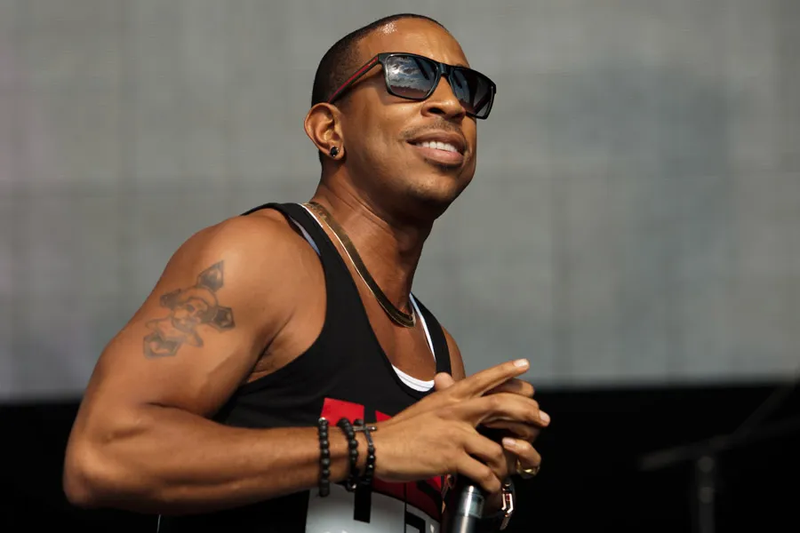
Foto: Concerttour, CC BY-SA 3.0, vía Wikimedia Commons
This is Ludacris, at a festival in Atlanta in 2012. In "Baby" he raps a whole verse: it is about his first love, at thirteen.
The video was filmed in a shopping centre with a bowling alley. Bieber chases a girl who ignores him. Ludacris said it was a 2010 version of a Michael Jackson video, "The Way You Make Me Feel". In the United States alone, the song has gone platinum twelve times.
Musical characteristics
Four chords on a loop. The whole song uses the same four chords, always in the same order. In class they are C, A minor, F and G. When a set of chords repeats non-stop, it is called a loop. This particular loop is so old it has its own name: the doo-wop progression.
What is doo-wop? In the 1950s, in the United States, many groups of young men sang without instruments. One sang the melody and the others became the band with their voices: "ooh", "aah", "doo-wop". That is where the name comes from. Underneath, this same loop was almost always playing. Listen to "Earth Angel" by The Penguins (1954) in Resources: it is in a different key, but it uses the same loop as Baby.
The walking bass. In doo-wop, the bass does not stay still. It jumps from one chord to the next: C, A, F, G. In the band, the ukulele bass plays it: a ukulele with thick strings that sounds low, like a bass guitar.
Singing and rapping. In the second half, Ludacris comes in. He does not sing: he says the words in rhythm, with no melody. That is rapping. Listen to what is happening underneath: the chords do not change. The loop holds up the singing voice and the rapping voice in exactly the same way.
A warning for when you play. The record is in E♭ major. In class we play it in C major, three semitones lower. That is transposing. Bieber did the same: a few months after recording it, his voice was breaking and he could no longer reach the high notes. In concerts they lowered the key. If your voice is changing, it may happen to you too.
Hard facts: E♭ major on the record and C major in class, 4/4, 130 beats per minute, 3:34. The form: intro, verse, chorus, verse, chorus, Ludacris's rap verse and final chorus.
Guided listening
Play the music video. In the intro, listen to the "oohs" in the voices. That is the sound of doo-wop.
In the first verse, try to follow the four chords with your hand: one finger per chord, then start again. How often does it go back to the beginning?
When the chorus arrives, check whether the chords have changed from the verse. Are they the same?
When Ludacris comes in, listen to the difference between singing and rapping. Does the music underneath change?
Then play "Earth Angel" (it is in Resources). It is in a different key, but listen to the path the chords take: can you hear the same four-step turn as in Baby?
Trivia and curiosities
- The "Baby" video is also the most-disliked music video in the whole history of YouTube. Something can be hugely watched and hugely disliked at the same time.
- Before releasing it, Bieber posted an acoustic version on YouTube, with just his voice and his guitarist Dan Kanter. The four chords of the loop were enough.
- Drake appears in the video. He was just starting out then; today he is one of the most-streamed rappers in the world.
- At a charity concert for Haiti in 2010, Bieber changed the chorus lyrics to sing the country's name. The loop can carry any word.
Classroom activities
- The four chords. Ukulele: C, A minor, F, G. One chord per bar, downstrokes. Since they never change in the whole song, you can learn it all in five minutes.
- The "oohs". Half the class sings the chorus melody. The other half sings "ooh" on a note of the chord, like a doo-wop group. No instruments.
- The doo-wop bass. The ukulele bass plays only the note that names each chord: C, A, F, G. Everyone else claps on 2 and 4.
- Two eras. Listen to "Earth Angel" (1954) and then to "Baby" (2010). In between, play the loop in C. What has changed in those 56 years: the chords or the instruments?
- Create. In groups, write four rapped lines over the same loop, like Ludacris does. One line per turn of the chords.
Key vocabulary
- Loop — bucle
- Doo-wop — doo-wop: grupo de voces que hace de banda con sílabas
- Ukulele bass — ukebajo
- Rapping — rapear
- Transposing — transportar
Resources
Official music video — Bieber chases a girl around a shopping centre with a bowling alley. Ludacris raps his verse.
Ukulele tutorial — U CAN UKE. An easy version, with the four chords.
Guitar tutorial — John McNicholas. Chords and strumming.
Keyboard tutorial — PHianonize. An easy version, with the keys lit up.
Drum score — COPYDRUM. The song's drum part with the score on screen.
"Earth Angel" by The Penguins (1954), to compare — A doo-wop classic on the same four-chord loop.
Por qué está en este libro
Esta canción llega en mayo, junto a good 4 u: la misma banda toca dos canciones de dos épocas distintas. Baby está en el libro por sus cuatro acordes, do, la menor, fa y sol, que suenan de principio a fin sin cambiar. Ese orden se llama el bucle del doo-wop, porque lo usaban los grupos vocales de los años cincuenta. Es la lección de historia del curso: un éxito de 2010 con la armonía de hace setenta años. El mismo bucle vuelve en 3.º con Stand By Me y en 4.º con Every Breath You Take, y ya lo has tocado en el verso de Perfect. En el aula sin nada se cantan los «oohs» del doo-wop y se marcan las palmas; en el aula con ukelele, los cuatro acordes; en el aula de música, el ukebajo toca la línea de bajo del doo-wop y la batería va con palmas.
Por dónde entrar
Durante más de dos años, entre 2010 y 2012, el vídeo de «Baby» fue el más visto de YouTube. Solo lo bajó del primer puesto «Gangnam Style».
Pero la canción guarda algo más antiguo que YouTube. Sus cuatro acordes son los mismos que cantaban, en los años cincuenta, grupos de chicos en las esquinas de Nueva York, sin instrumentos, haciendo «uuuh» y «du-uop» con la boca.
La pregunta de esta página es: ¿qué tiene en común una canción de 2010 con una de 1954? Aquí la respuesta son cuatro acordes.
Contexto histórico
Justin Bieber es un cantante canadiense. De niño subía vídeos a YouTube cantando y tocando la guitarra. Un mánager los vio y lo llevó a Atlanta (Estados Unidos) para grabar. «Baby» salió en enero de 2010, cuando tenía 15 años.
En la canción también rapea Ludacris, un rapero de Atlanta. Bieber contó que se conocieron porque vivían en la misma ciudad, y que lo invitaron porque encajaba. La canción la escribieron entre varios: Bieber, Ludacris, la cantante Christina Milian y los productores Tricky Stewart y The-Dream.
Foto: Concerttour, CC BY-SA 3.0, vía Wikimedia Commons
Este es Ludacris, en un festival de Atlanta en 2012. En «Baby» rapea una estrofa entera: cuenta su primer amor, a los trece años.
El vídeo se rodó en un centro comercial con bolera. Bieber persigue a una chica que no le hace caso. Ludacris dijo que era una versión de 2010 de un vídeo de Michael Jackson, «The Way You Make Me Feel». Solo en Estados Unidos, la canción tiene doce discos de platino.
Cómo suena
Cuatro acordes en bucle. Toda la canción usa los mismos cuatro acordes, siempre en el mismo orden. En clase son do, la menor, fa y sol. Cuando una serie de acordes se repite sin parar, se dice que es un bucle. Este bucle concreto es tan antiguo que tiene nombre propio: la progresión del doo-wop.
¿Qué es el doo-wop? En los años cincuenta, en Estados Unidos, muchos grupos de chicos cantaban sin instrumentos. Uno llevaba la melodía y los demás hacían de banda con la voz: «uuuh», «aaah», «du-uop». De esas sílabas sale el nombre. Debajo casi siempre sonaba este mismo bucle. Escucha «Earth Angel», de The Penguins (1954), en Recursos: en otra tonalidad, pero con el mismo bucle que Baby.
El bajo que camina. En el doo-wop, el bajo no se queda quieto. Va saltando de un acorde al siguiente: do, la, fa, sol. En la banda, eso lo toca el ukebajo, un ukelele con cuerdas gruesas que suena grave, como un bajo.
Cantar y rapear. En la segunda mitad entra Ludacris. Ya no canta: dice el texto con ritmo, sin melodía. Eso es rapear. Escucha qué pasa debajo: los acordes no cambian. El bucle sostiene igual la voz que canta y la voz que rapea.
Un aviso para cuando toques. El disco está en Mi♭ mayor. En clase lo tocamos en Do mayor, tres semitonos más grave. Eso es transportar. Bieber también lo hizo: pocos meses después de grabarla, la voz le estaba cambiando y ya no llegaba a las notas agudas. En los conciertos bajaban la tonalidad. Si te está cambiando la voz, a ti también te puede pasar.
Datos duros: Mi♭ mayor en el disco y Do mayor en clase, 4/4, 130 pulsos por minuto, 3:34. La forma: intro, verso, estribillo, verso, estribillo, estrofa rapeada de Ludacris y estribillo final.
Escucha guiada
Pon el videoclip. En la intro, escucha los «oohs» de las voces. Ese es el sonido del doo-wop.
En el primer verso, intenta seguir los cuatro acordes con la mano: un dedo por acorde, y vuelta a empezar. ¿Cada cuánto vuelve al principio?
Cuando llega el estribillo, comprueba si los acordes cambian respecto al verso. ¿Son los mismos?
Cuando entra Ludacris, escucha la diferencia entre cantar y rapear. ¿Cambia la música de debajo?
Después, pon «Earth Angel» (está en Recursos). Está en otra tonalidad, pero escucha el camino de los acordes: ¿reconoces el mismo giro de cuatro pasos que en Baby?
Curiosidades
- El vídeo de «Baby» es también el vídeo musical con más «no me gusta» de toda la historia de YouTube. Que algo sea muy visto y muy odiado a la vez es posible.
- Antes de publicarla, Bieber subió a YouTube una versión acústica, solo con su voz y la guitarra de su guitarrista, Dan Kanter. Los cuatro acordes del bucle bastaban.
- En el vídeo aparece Drake, que entonces empezaba y hoy es uno de los raperos más escuchados del mundo.
- En un concierto benéfico para Haití, en 2010, Bieber cambió la letra del estribillo para cantar el nombre del país. El bucle aguanta cualquier palabra.
Para hacer en clase
- Los cuatro acordes. Ukelele: do, la menor, fa, sol. Un acorde por compás, rasgueo hacia abajo. Como no cambian en toda la canción, en cinco minutos la tenéis entera.
- Los «oohs». La mitad de la clase canta la melodía del estribillo. La otra mitad canta «uuuh» sobre la nota del acorde, como un grupo de doo-wop. Sin instrumentos.
- El bajo del doo-wop. El ukebajo toca solo la nota que da nombre a cada acorde: do, la, fa, sol. Los demás dan palmas en el 2 y el 4.
- Dos épocas. Escuchad «Earth Angel» (1954) y después «Baby» (2010). Entre una y otra, tocad el bucle en do. ¿Qué ha cambiado en esos 56 años: los acordes o los instrumentos?
- Crear. Por grupos, escribid cuatro frases rapeadas sobre el mismo bucle, como hace Ludacris. Una frase por vuelta de acordes.
Vocabulario fundamental
- Bucle — Una serie de acordes que se repite sin parar durante toda la canción.
- Doo-wop — Estilo de los años cincuenta en el que un grupo de voces hace de banda con sílabas como «uuuh» o «du-uop».
- Ukebajo — Un ukelele con cuerdas gruesas que suena grave, como un bajo.
- Rapear — Decir el texto con ritmo, sin cantar una melodía.
- Transportar — Pasar una canción entera a otra altura sin cambiar nada más.
Recursos
Videoclip oficial — Bieber persigue a una chica por un centro comercial con bolera. Ludacris rapea su estrofa.
Tutorial de ukelele — U CAN UKE. Versión fácil, con los cuatro acordes.
Tutorial de guitarra — John McNicholas. Acordes y rasgueo.
Tutorial de teclado — PHianonize. Versión fácil, con las teclas iluminadas.
Partitura de batería — COPYDRUM. La batería de la canción con la partitura en pantalla.
«Earth Angel», de The Penguins (1954), para comparar — Un clásico del doo-wop sobre el mismo bucle de cuatro acordes.
Why it's in this book
This song comes in May, together with good 4 u: the same band plays two songs from two different eras. Baby is in the book because of its four chords, C, A minor, F and G, which play from start to finish without changing. That order is called the doo-wop loop, because 1950s vocal groups used it. It is the history lesson of the year: a 2010 hit with harmony from seventy years ago. The same loop comes back in Year 9 with Stand By Me and in Year 10 with Every Breath You Take, and you have already played it in the verse of Perfect. In the room with no instruments you sing the doo-wop "oohs" and clap; in the ukulele room, the four chords; in the music room, the ukulele bass plays the doo-wop bass line and the drums play with handclaps.
Why this song
For more than two years, between 2010 and 2012, the "Baby" video was the most-watched video on YouTube. Only "Gangnam Style" knocked it off the top.
But the song holds something older than YouTube. Its four chords are the same ones that groups of boys sang on New York street corners in the 1950s, with no instruments, going "ooh" and "doo-wop" with their mouths.
The question on this page is: what does a song from 2010 have in common with one from 1954? Here the answer is four chords.
Historical context
Justin Bieber is a Canadian singer. As a child he posted videos of himself singing and playing guitar on YouTube. A manager saw them and took him to Atlanta, in the United States, to record. "Baby" came out in January 2010, when he was 15.
The song also features Ludacris, a rapper from Atlanta. Bieber said they met because they lived in the same city, and that they invited him because he was a perfect fit. Several people wrote the song together: Bieber, Ludacris, the singer Christina Milian and the producers Tricky Stewart and The-Dream.
Foto: Concerttour, CC BY-SA 3.0, vía Wikimedia Commons
This is Ludacris, at a festival in Atlanta in 2012. In "Baby" he raps a whole verse: it is about his first love, at thirteen.
The video was filmed in a shopping centre with a bowling alley. Bieber chases a girl who ignores him. Ludacris said it was a 2010 version of a Michael Jackson video, "The Way You Make Me Feel". In the United States alone, the song has gone platinum twelve times.
Musical characteristics
Four chords on a loop. The whole song uses the same four chords, always in the same order. In class they are C, A minor, F and G. When a set of chords repeats non-stop, it is called a loop. This particular loop is so old it has its own name: the doo-wop progression.
What is doo-wop? In the 1950s, in the United States, many groups of young men sang without instruments. One sang the melody and the others became the band with their voices: "ooh", "aah", "doo-wop". That is where the name comes from. Underneath, this same loop was almost always playing. Listen to "Earth Angel" by The Penguins (1954) in Resources: it is in a different key, but it uses the same loop as Baby.
The walking bass. In doo-wop, the bass does not stay still. It jumps from one chord to the next: C, A, F, G. In the band, the ukulele bass plays it: a ukulele with thick strings that sounds low, like a bass guitar.
Singing and rapping. In the second half, Ludacris comes in. He does not sing: he says the words in rhythm, with no melody. That is rapping. Listen to what is happening underneath: the chords do not change. The loop holds up the singing voice and the rapping voice in exactly the same way.
A warning for when you play. The record is in E♭ major. In class we play it in C major, three semitones lower. That is transposing. Bieber did the same: a few months after recording it, his voice was breaking and he could no longer reach the high notes. In concerts they lowered the key. If your voice is changing, it may happen to you too.
Hard facts: E♭ major on the record and C major in class, 4/4, 130 beats per minute, 3:34. The form: intro, verse, chorus, verse, chorus, Ludacris's rap verse and final chorus.
Guided listening
Play the music video. In the intro, listen to the "oohs" in the voices. That is the sound of doo-wop.
In the first verse, try to follow the four chords with your hand: one finger per chord, then start again. How often does it go back to the beginning?
When the chorus arrives, check whether the chords have changed from the verse. Are they the same?
When Ludacris comes in, listen to the difference between singing and rapping. Does the music underneath change?
Then play "Earth Angel" (it is in Resources). It is in a different key, but listen to the path the chords take: can you hear the same four-step turn as in Baby?
Trivia and curiosities
- The "Baby" video is also the most-disliked music video in the whole history of YouTube. Something can be hugely watched and hugely disliked at the same time.
- Before releasing it, Bieber posted an acoustic version on YouTube, with just his voice and his guitarist Dan Kanter. The four chords of the loop were enough.
- Drake appears in the video. He was just starting out then; today he is one of the most-streamed rappers in the world.
- At a charity concert for Haiti in 2010, Bieber changed the chorus lyrics to sing the country's name. The loop can carry any word.
Classroom activities
- The four chords. Ukulele: C, A minor, F, G. One chord per bar, downstrokes. Since they never change in the whole song, you can learn it all in five minutes.
- The "oohs". Half the class sings the chorus melody. The other half sings "ooh" on a note of the chord, like a doo-wop group. No instruments.
- The doo-wop bass. The ukulele bass plays only the note that names each chord: C, A, F, G. Everyone else claps on 2 and 4.
- Two eras. Listen to "Earth Angel" (1954) and then to "Baby" (2010). In between, play the loop in C. What has changed in those 56 years: the chords or the instruments?
- Create. In groups, write four rapped lines over the same loop, like Ludacris does. One line per turn of the chords.
Key vocabulary
- Loop — bucle
- Doo-wop — doo-wop: grupo de voces que hace de banda con sílabas
- Ukulele bass — ukebajo
- Rapping — rapear
- Transposing — transportar
Resources
Official music video — Bieber chases a girl around a shopping centre with a bowling alley. Ludacris raps his verse.
Ukulele tutorial — U CAN UKE. An easy version, with the four chords.
Guitar tutorial — John McNicholas. Chords and strumming.
Keyboard tutorial — PHianonize. An easy version, with the keys lit up.
Drum score — COPYDRUM. The song's drum part with the score on screen.
"Earth Angel" by The Penguins (1954), to compare — A doo-wop classic on the same four-chord loop.