Pioneers of Rock and Roll: Little Richard, Elvis Presley, and Chuck Berry
This text examines the pioneers who forged rock and roll—Little Richard, Elvis Presley, and Chuck Berry—and the musical framework, like the verse-chorus structure and power chords, that defined its revolutionary sound.
The raw energy and rebellious spirit of early rock and roll were personified by a trio of charismatic artists: Little Richard, Elvis Presley, and Chuck Berry. Each brought their unique flavor to the genre, collectively shaping its sound and image for generations to come.
Little Richard (Richard Wayne Penniman), with his flamboyant stage presence, electrifying piano playing, and signature falsetto screams, was a true innovator. He blended gospel fervor with boogie-woogie rhythms, creating hits like "Tutti Frutti" and "Long Tall Sally." His unbridled energy and sexual ambiguity challenged social norms and made him a thrilling, unforgettable performer.
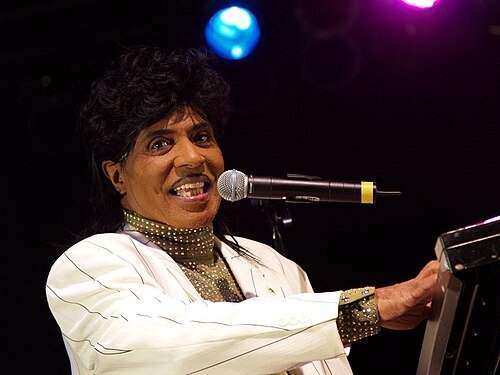
Elvis Presley, "The King of Rock and Roll," was a cultural phenomenon. His blend of country twang, R&B sensuality, and electrifying stage moves made him an instant idol. Songs like "Heartbreak Hotel" and "Hound Dog" (his cover of Big Mama Thornton's hit) showcased his ability to synthesize diverse musical traditions into a mainstream sensation, driving teenagers wild and shocking conservative adults.
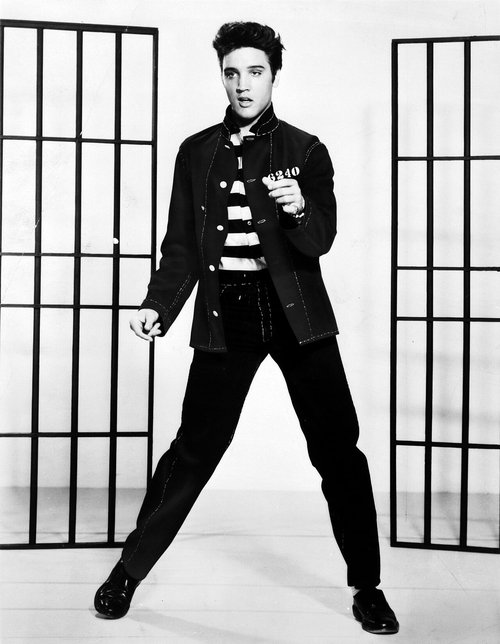
Chuck Berry was the poet laureate and guitar hero of early rock and roll. His witty lyrics chronicled teenage life and consumer culture, while his iconic guitar riffs (like the opening to "Johnny B. Goode") became the blueprint for rock guitarists worldwide. Songs such as "Maybellene" and "Roll Over Beethoven" perfectly fused blues, country, and a narrative flair that captured the imagination of a generation.
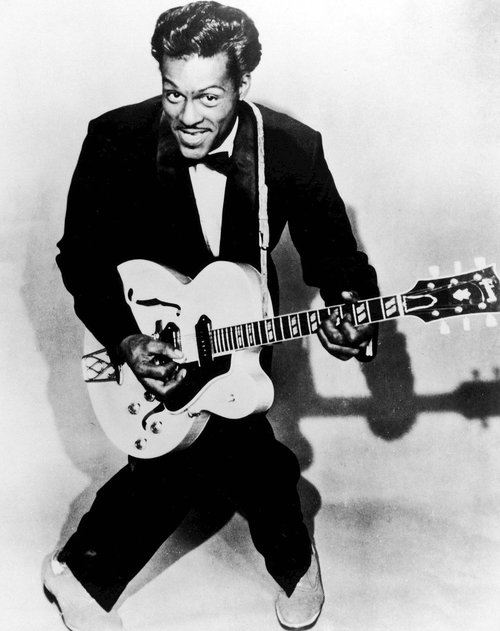
Verse-Chorus Structure and Power Chords
The early rock and roll sound, while revolutionary in its energy, often relied on accessible and memorable song structures. The verse-chorus structure became a cornerstone. This form alternates between verses, which tell the story with changing lyrics, and a recurring chorus, which contains the main message or hook and is often designed to be easily sung along to. This predictability, combined with catchy melodies, made rock and roll instantly appealing and anthemic.
Musically, the rise of the electric guitar brought with it new harmonic possibilities. Power chords became a staple, particularly in the harder-hitting styles of rock and roll and its descendants. A power chord is a dyad consisting of the root and the fifth (and often an octave of the root), played on an electric guitar with distortion. Lacking a third, it's neither major nor minor, giving it a strong, unambiguous, and "powerful" sound that cuts through a mix. These chords were simpler to play, offered immense sonic impact, and laid the groundwork for the aggressive guitar sounds that would define rock music for decades.