Contenidos
Viva la Vida - Coldplay
Discover the history, musical characteristics and curiosities of Viva la Vida by Coldplay, one of the most iconic songs of the 2000s.
Historical Context
Viva la Vida is a song by British rock band Coldplay, released in 2008 as the lead single from their fourth studio album Viva la Vida or Death and All His Friends. The album was produced by Brian Eno, marking a dramatic shift in the band's sound toward more experimental, orchestral arrangements.
The song debuted at number one in the UK Singles Chart and the US Billboard Hot 100, making it Coldplay's first number-one single in the United States. It won the Grammy Award for Song of the Year in 2009.
The title is Spanish for "Long Live Life" and was inspired by a painting by Mexican artist Frida Kahlo. Chris Martin has stated that the lyrics are written from the perspective of a fallen king, widely interpreted as referencing the French Revolution and King Louis XVI.
Musical Characteristics
The song is built around a four-chord progression (Ab - Eb - Bbm - F) that repeats throughout, played primarily on strings and piano. Key musical elements include:
- Orchestral strings: Sweeping violin and viola arrangements give the song its epic, cinematic quality
- Timpani and percussion: Military-style drums create a marching, anthemic feel
- Church bells: The opening features bells that establish the regal atmosphere
- Tempo: 138 BPM in 4/4 time
- Key: Ab major
- Structure: The song notably lacks a traditional chorus — instead building intensity through layering instruments
Trivia and Curiosities
- The song was used as the closing music for the BBC's coverage of the 2008 US Presidential Election
- Guitarist Joe Satriani filed a copyright infringement lawsuit claiming the melody was similar to his 2004 song "If I Could Fly" — the case was settled out of court
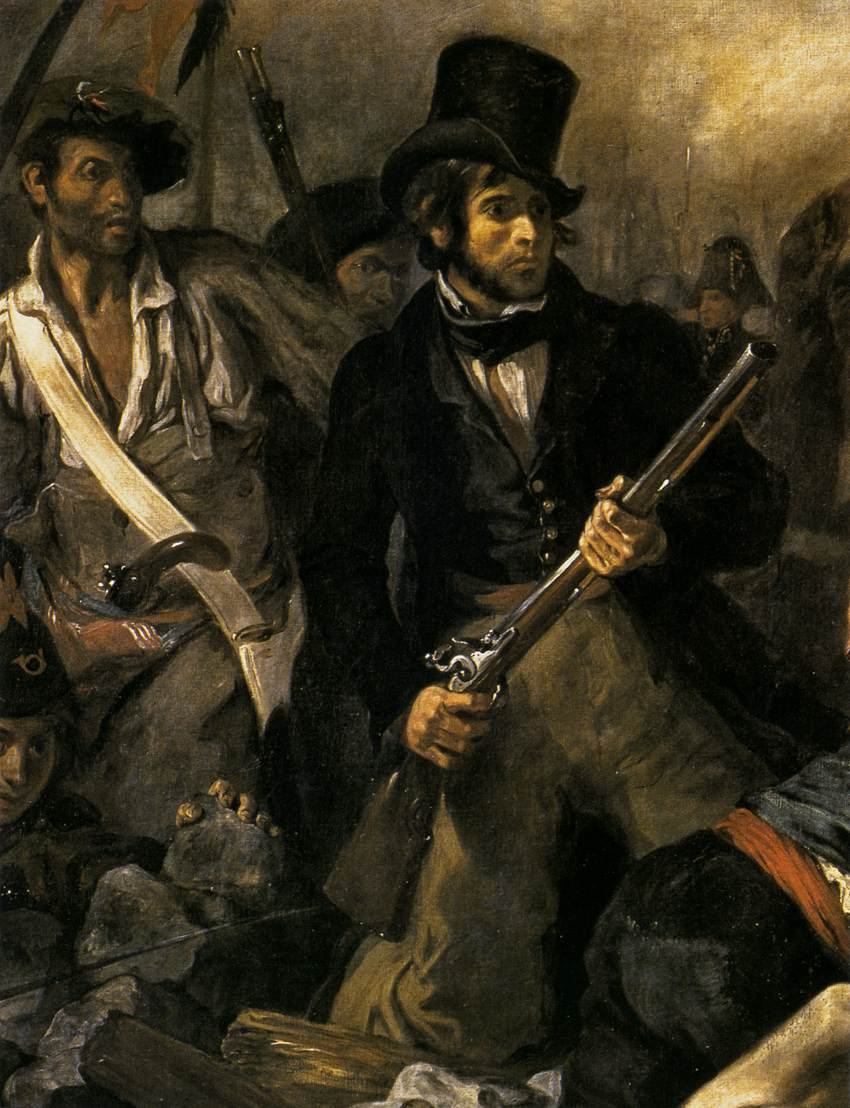
- The music video features Delacroix's painting Liberty Leading the People as a central visual motif
- It was the most-streamed song from 2008 on Spotify for several years
- The string arrangement was recorded at Abbey Road Studios
- Brian Eno encouraged the band to experiment freely, resulting in over 40 different versions before the final mix
Official Music Video
Guitar Tutorial
Piano Tutorial
Drums Tutorial
Historical Context
Viva la Vida is a song by British rock band Coldplay, released in 2008 as the lead single from their fourth studio album Viva la Vida or Death and All His Friends. The album was produced by Brian Eno, marking a dramatic shift in the band's sound toward more experimental, orchestral arrangements.
The song debuted at number one in the UK Singles Chart and the US Billboard Hot 100, making it Coldplay's first number-one single in the United States. It won the Grammy Award for Song of the Year in 2009.
The title is Spanish for "Long Live Life" and was inspired by a painting by Mexican artist Frida Kahlo. Chris Martin has stated that the lyrics are written from the perspective of a fallen king, widely interpreted as referencing the French Revolution and King Louis XVI.
Musical Characteristics
The song is built around a four-chord progression (Ab - Eb - Bbm - F) that repeats throughout, played primarily on strings and piano. Key musical elements include:
- Orchestral strings: Sweeping violin and viola arrangements give the song its epic, cinematic quality
- Timpani and percussion: Military-style drums create a marching, anthemic feel
- Church bells: The opening features bells that establish the regal atmosphere
- Tempo: 138 BPM in 4/4 time
- Key: Ab major
- Structure: The song notably lacks a traditional chorus — instead building intensity through layering instruments
Trivia and Curiosities
- The song was used as the closing music for the BBC's coverage of the 2008 US Presidential Election
- Guitarist Joe Satriani filed a copyright infringement lawsuit claiming the melody was similar to his 2004 song "If I Could Fly" — the case was settled out of court
- The music video features Delacroix's painting Liberty Leading the People as a central visual motif
- It was the most-streamed song from 2008 on Spotify for several years
- The string arrangement was recorded at Abbey Road Studios
- Brian Eno encouraged the band to experiment freely, resulting in over 40 different versions before the final mix