1990s – GRUNGE AND HIP HOP
The 1990s shattered the polished pop of the 80s with raw grunge guitars from Seattle, revolutionary hip hop beats, and the rise of electronic dance music.
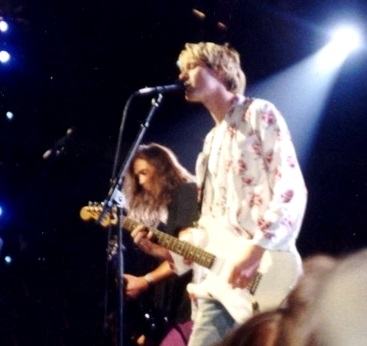
The Sound of a Generation in Revolt
The 1990s were a decade of musical rebellion and reinvention. While the 1980s had been dominated by synthesizers, hair metal, and polished pop production, the early 90s brought a seismic shift. From the rainy streets of Seattle emerged grunge — a raw, emotionally honest sound that rejected the excess of the previous decade. Simultaneously, hip hop evolved from a New York underground movement into the dominant force in popular music, and electronic music created entirely new genres in warehouses and clubs across Europe.
Grunge and Alternative Rock: The Seattle Sound
Grunge combined the heaviness of metal with the raw energy of punk and the emotional vulnerability of indie rock. The genre was characterized by heavy distortion, drop-D tuning, dynamic contrasts between quiet verses and explosive choruses, and lyrics dealing with alienation, apathy, and social anxiety.
The movement had been brewing in the Pacific Northwest throughout the late 1980s, centered around the independent label Sub Pop Records. But everything changed in September 1991, when Nirvana released Nevermind.
Nirvana: The Reluctant Revolution
Kurt Cobain, Krist Novoselic, and Dave Grohl never intended to become the voice of a generation. Cobain was deeply uncomfortable with fame and once said he wanted Nirvana to sound like "The Knack and Bay City Rollers being molested by Black Flag and Black Sabbath."
The opening riff of "Smells Like Teen Spirit" — built on just four power chords (F5–Bb5–Ab5–Db5) — became the anthem of Generation X. Producer Butch Vig captured Cobain's trick of whispering through verses before erupting into screaming choruses, a technique called loud-quiet-loud dynamics borrowed from the Pixies.
Fun fact: Cobain tuned his guitar a half-step down (Eb tuning) to give the sound a heavier, darker quality. The entire Nevermind album was recorded in just a few weeks, and the band was shocked when it knocked Michael Jackson's Dangerous off the #1 spot on the Billboard chart.
Pearl Jam, Soundgarden, and Alice in Chains
Grunge was not a one-band movement:
- Pearl Jam: Led by Eddie Vedder's baritone vocals, they brought a more classic rock sensibility. Ten (1991) featured anthemic songs like "Alive" and "Jeremy." Vedder famously got the vocalist job after receiving a demo tape and recording vocals over it while surfing in San Diego.
- Soundgarden: Chris Cornell's four-octave vocal range combined with unusual time signatures ("Black Hole Sun" shifts between 4/4 and 6/4) made them the most musically adventurous grunge band.
- Alice in Chains: The darkest of the "Big Four," their music featured the haunting vocal harmonies of Layne Staley and Jerry Cantrell, often in minor keys with heavy use of the tritone interval.
Musical Characteristics of Grunge
- Power chords with heavy distortion (often in drop-D tuning)
- Loud-quiet-loud dynamics — soft verses exploding into heavy choruses
- Pentatonic and blues scales for solos and riffs
- Tempo: typically medium (100-140 BPM)
- Guitar tone: heavy fuzz and overdrive pedals (Boss DS-1, Big Muff)
- Lyrics: introspective, dealing with pain, isolation, and social commentary
Hip Hop: Beats, Samples, and Poetry
While grunge dominated rock, hip hop was experiencing its own golden age. By the early 1990s, hip hop had evolved from simple drum machine patterns into a sophisticated art form built on sampling, turntablism, and complex lyrical flows.
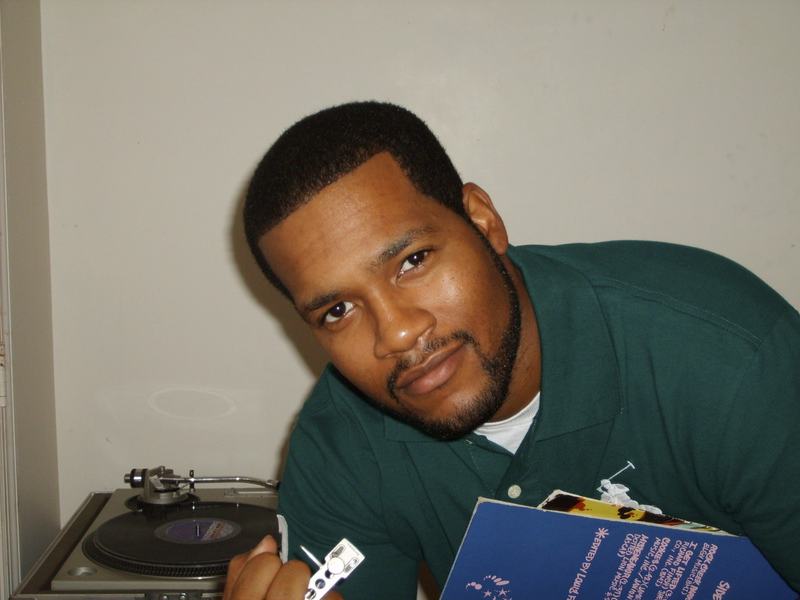
The Art of Sampling
The Akai MPC (Music Production Center) became the defining instrument of 90s hip hop. Producers like DJ Premier, Pete Rock, and J Dilla would dig through crates of old vinyl records — funk, soul, jazz — and extract short musical phrases to build entirely new compositions.
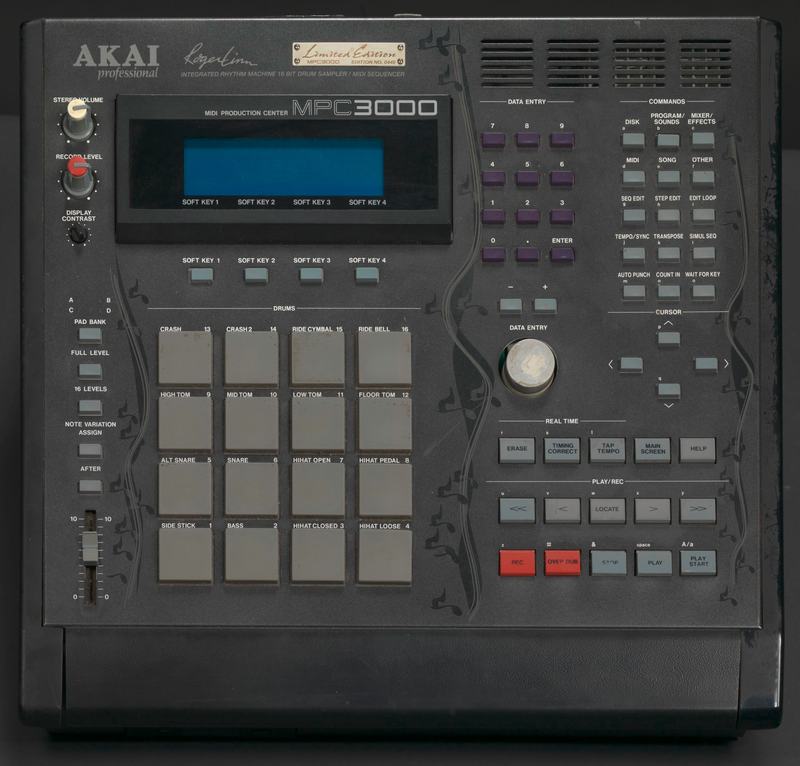
How sampling works: A producer takes a 2-4 second fragment from an existing recording (maybe a drum break, a bass line, or a piano chord), loads it into the MPC, and rearranges it with new rhythms and layers. This technique transformed music production from requiring a full studio band to being possible in a bedroom with a sampler and a turntable.
East Coast vs. West Coast
The 1990s saw hip hop split into two distinct regional styles:
- East Coast (New York): Complex lyricism, jazz-influenced beats, boom-bap drums. Artists: Nas, Wu-Tang Clan, The Notorious B.I.G. Nas's Illmatic (1994) is widely considered the greatest hip hop album ever made — recorded when he was just 20 years old.
- West Coast (Los Angeles): G-funk sound with synthesizers, deep bass, and laid-back grooves influenced by P-Funk. Artists: Dr. Dre, Snoop Dogg, Tupac Shakur. Dr. Dre's The Chronic (1992) defined the G-funk sound using a Minimoog synthesizer and Parliament-Funkadelic samples.
Musical anecdote: The Notorious B.I.G.'s producer Easy Mo Bee created the beat for "Juicy" by sampling Mtume's "Juicy Fruit" (1983). Biggie initially didn't like the beat, thinking it was too soft. It became one of the most iconic hip hop songs of all time.
Musical Elements of 90s Hip Hop
- BPM: typically 85-100 (slower than modern hip hop)
- Drum patterns: boom-bap (heavy kick on 1, snare on 2 and 4)
- Sampling: jazz, soul, and funk records chopped and rearranged
- Turntablism: scratching used as a musical instrument
- Song structure: verse-chorus-verse with 16-bar verses
- Flow: rhythmic speech patterns that play with the beat
Electronic Music: House, Techno, and the Rave Revolution
While America was torn between grunge and hip hop, Europe was dancing. Electronic dance music exploded out of underground clubs and warehouses into a massive cultural movement.
House and Techno: Origins
House music originated in Chicago in the mid-1980s (named after the Warehouse nightclub), while techno emerged from Detroit. By the 1990s, both genres had crossed the Atlantic and were fueling a massive rave culture in the UK and Europe.
- House: Four-on-the-floor kick drum (kick on every beat), syncopated hi-hats, soulful vocals, tempo around 120-130 BPM
- Techno: More mechanical and repetitive, minimal vocals, emphasis on synthetic textures, tempo 130-150 BPM
- Drum and Bass: Fast breakbeats at 160-180 BPM with deep sub-bass, emerged from the UK jungle scene
- Trance: Long melodic builds and euphoric drops, 130-150 BPM
Digital Production: The Revolution
The 1990s marked the transition from analog to digital music production. Software like Pro Tools (1991), Cubase, and later Fruity Loops (1997, now FL Studio) democratized music creation. For the first time, anyone with a computer could produce professional-sounding music.
Key technologies:
- MIDI sequencing: programming notes digitally instead of playing them live
- Digital sampling: manipulating audio in software rather than hardware
- DAWs (Digital Audio Workstations): replacing tape machines with computer software
- VST plugins: virtual instruments and effects replacing physical hardware
Practical Work
Piano: Grunge Power Chords
Power chords on piano use the root and fifth (no third), creating the same raw, open sound as on guitar. Try playing these in the low register with a strong, percussive attack:
- F5 power chord: F + C (both hands, low register)
- Bb5 power chord: Bb + F
- Ab5 power chord: Ab + Eb
- Db5 power chord: Db + Ab
Play this progression (the "Smells Like Teen Spirit" chords) with a driving eighth-note rhythm. Accent beats 2 and 4 for a rock feel.
Ukulele: Palm Muting
Palm muting is a technique where you rest the edge of your strumming hand lightly on the strings near the bridge while strumming. This produces a muted, percussive "chunk" sound — essential for creating rhythmic contrast in rock and grunge.
Practice alternating between open strums and palm-muted strums on a simple chord progression (Am - G - F - G) to create loud-quiet dynamics similar to grunge music.
Melody: "Smells Like Teen Spirit"
The main vocal melody of "Smells Like Teen Spirit" uses just a few notes from the F minor pentatonic scale (F - Ab - Bb - C - Eb). Try singing or playing the verse melody, noting how Cobain stays in a narrow range during the verse before exploding upward in the chorus. This contrast between restraint and release is the emotional engine of grunge.
Question of the Week
Grunge, hip hop, and electronic music all emerged as reactions against the mainstream pop of the 1980s. Why do you think young people in the 1990s felt the need for more raw, authentic, or underground music? Think about what was happening in society, technology, and youth culture at the time.