1970s – PROGRESSIVE ROCK AND DISCO
The 1970s was a decade of musical fragmentation and extremes. On one hand, rock music aimed for greater artistic complexity; on the other, dance music simplified its structure to focus purely on rhythm.
Progressive Rock and Concept Albums
Following the harmonic complexity and studio experimentation of 60s psychedelia, Progressive Rock (or Prog Rock) emerged. This genre sought to elevate rock music to the status of classical music.
- Characteristics: Long compositions (often exceeding 10 minutes), virtuoso instrumental performance, complex structures (avoiding the simple verse-chorus), and elaborate instrumentation (including synthesisers, orchestral instruments, and complex drums).
- Concept Albums: A central feature was the concept album, where all the songs were linked by a single narrative, theme, or philosophical idea, transforming the album into a cohesive piece of art.
- Irregular Meters: To achieve greater musical sophistication, Prog Rock bands frequently abandoned standard 4/4 time, incorporating irregular meters (like 5/4, 7/8, or 11/8) and frequent changes in time signature within a single piece. Key bands included Pink Floyd, Genesis, and Yes.
Funk and Disco
In sharp contrast to the intellectualism of Prog Rock, two highly rhythmic, dance-focused genres dominated the latter half of the decade.
- Funk: Developed by artists like James Brown and George Clinton, Funk placed the rhythmic groove (the groove) above melody and harmony. It is characterized by highly syncopated bass lines, sharp "chicken-scratch" guitar rhythms (often muted), prominent horns, and a strong emphasis on the downbeat (beat 1). Funk was the direct precursor to Disco and Hip Hop.
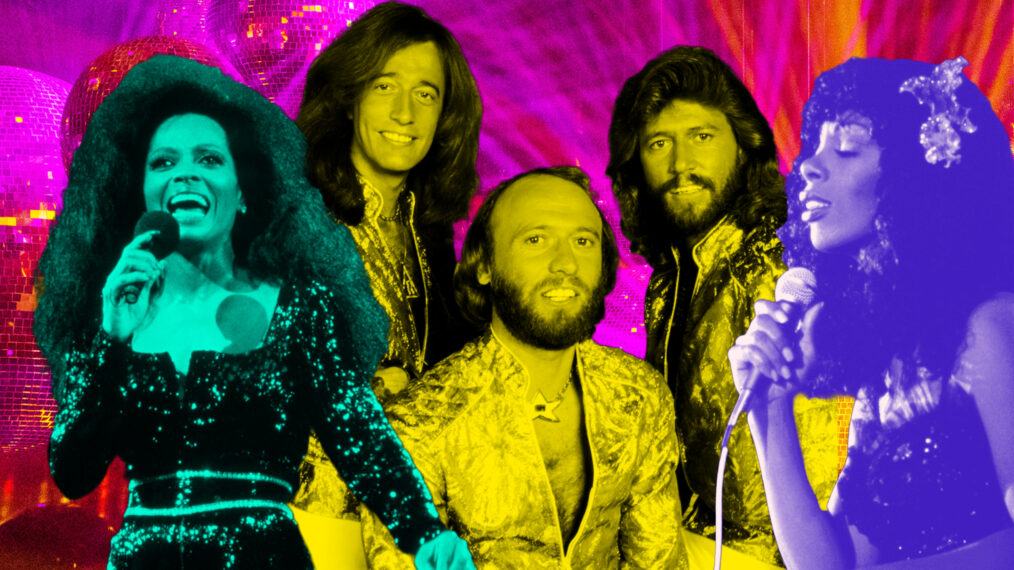
- Disco: Emerging from African American, Latino, and gay communities in New York, Disco was designed purely for dancing in clubs. It refined Funk's emphasis on rhythm, using a relentless four-on-the-floor kick drum beat (kick drum on every beat: 1, 2, 3, 4), prominent orchestral elements (strings, horns), and a focus on the bassist and drummer. Artists like Bee Gees and Donna Summer became icons of the genre.
Punk as Reaction
By the mid-70s, the complexity and commercialization of Prog Rock and the polished production of Disco led to a defiant reaction known as Punk Rock.
- Philosophy: Punk rejected virtuosity, complex arrangements, and polished studio sound. Its slogan was "Do It Yourself" (DIY).
- Musical Features: Short songs (often less than two minutes), simple three-chord structures, fast tempos, aggressive vocals, and lyrics focused on anger, boredom, and social critique. This intentional simplification and return to raw rock and roll energy reset the musical landscape, opening the door for anyone to pick up an instrument and start a band. Key groups included The Ramones and Sex Pistols.
Representative Songs:
- Progressive Rock: Pink Floyd – "Shine On You Crazy Diamond" (complex structures, concept); Yes – "Roundabout" (irregular meters, virtuosity).
- Disco/Funk: Earth, Wind & Fire – "September" (Funk/Disco fusion, complex horns); Donna Summer – "I Feel Love" (synthesizer-driven, 'four-on-the-floor').
- Punk: The Ramones – "Blitzkrieg Bop" (short, fast, simple structure).
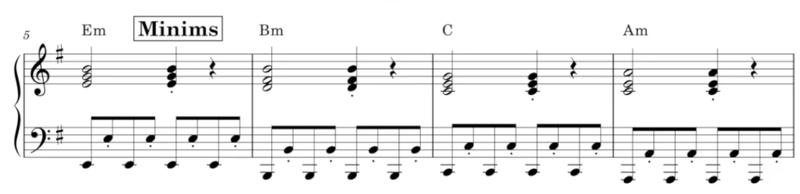
Accompaniment
Piano
Ukelele

Question of the week
What differences in rhythm do you find between disco, funk, punk, and progressive rock?